

If you’ve ever wondered what does B1 / B2 mean, you’re not alone. These terms come from a global language learning framework that helps measure real progress. Instead of guessing your level, you can clearly understand your language proficiency levels and track improvement step by step.
The CEFR system explains how your language fluency grows through practical use, not just theory. As you move from B1 to B2, your communication skills become stronger and more natural. This guide will help you understand what each level means, what you can do at each stage, and how to improve faster with the right approach.
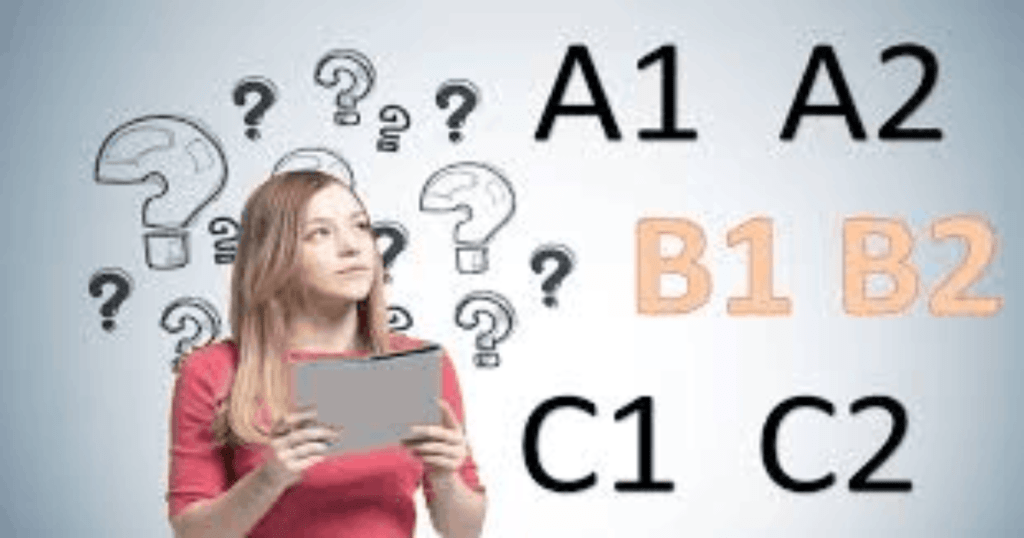
Introduction: What Does B1 / B2 Mean and Why It Matters
Ever wondered what does B1 mean in language learning or what is B2 level English? These terms come from a global language learning framework called CEFR. It helps define language proficiency levels clearly. You can track your growth without confusion.
This guide breaks down CEFR language levels explained in simple words. You will understand CEFR levels for English explained and how they affect your language fluency. Once you know this system, your communication skills improve faster with better direction.
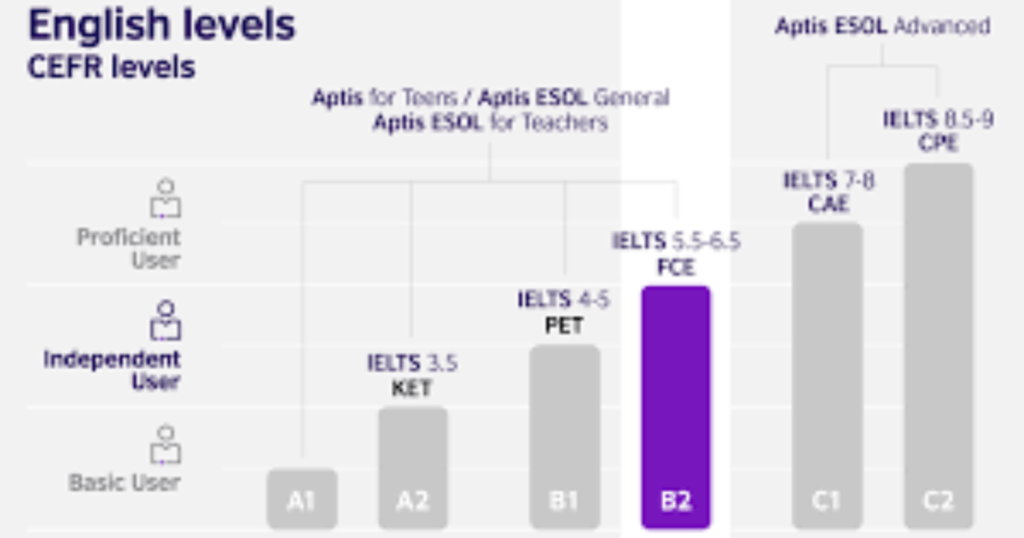
Understanding B1 and B2 Levels in the CEFR Framework
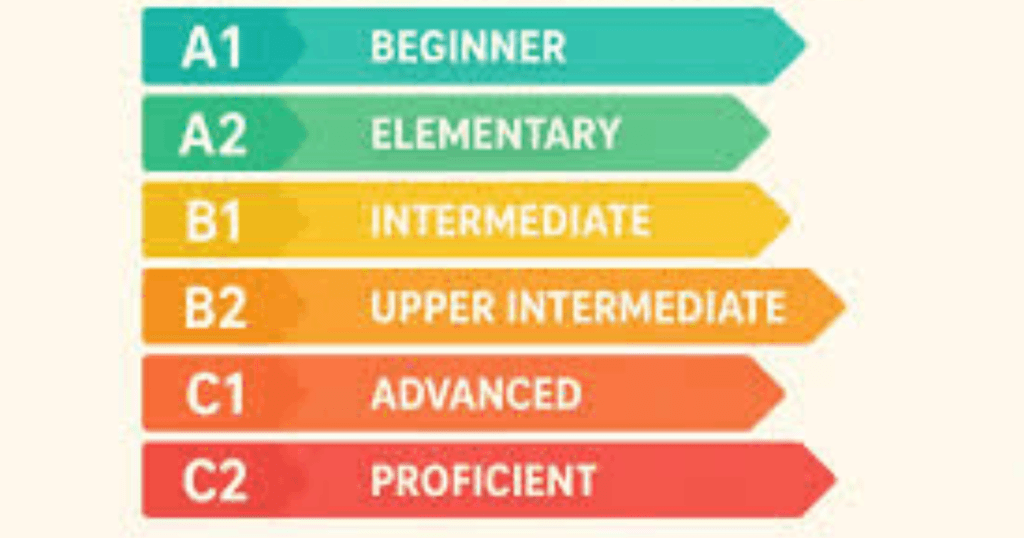
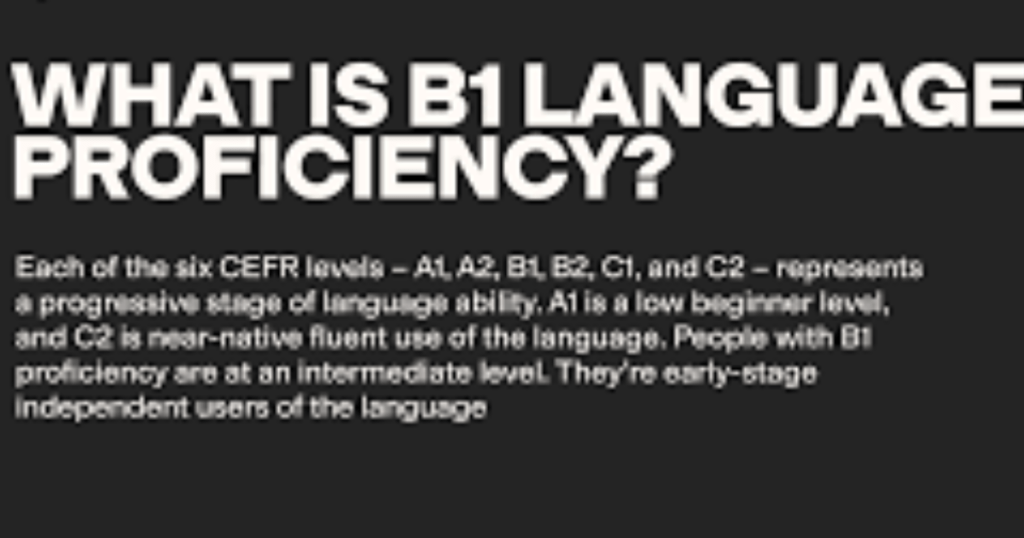
The CEFR system organizes learners into six stages. These CEFR levels range from beginner to advanced. B1 and B2 sit in the middle. They define your progress in language skills development and real communication ability.
For many learners, B1 means survival skills. B2 means independence. This is why people ask what level is intermediate English. The CEFR gives a clear answer using structured language proficiency levels that improve language comprehension and real-world usage.
What Does B1 Mean? (Intermediate Level Explained)
At B1, you become an intermediate language learner. You can handle daily tasks using simple language. You may still make mistakes, but your conversational ability improves. Many learners ask what can a B1 learner do, and the answer is simple communication.
You can understand basic conversations and express ideas clearly. Your listening skills and reading skills improve slowly. However, your grammar accuracy and vocabulary range are still limited. This stage answers the question is B1 fluent with a clear no, but it is strong progress.
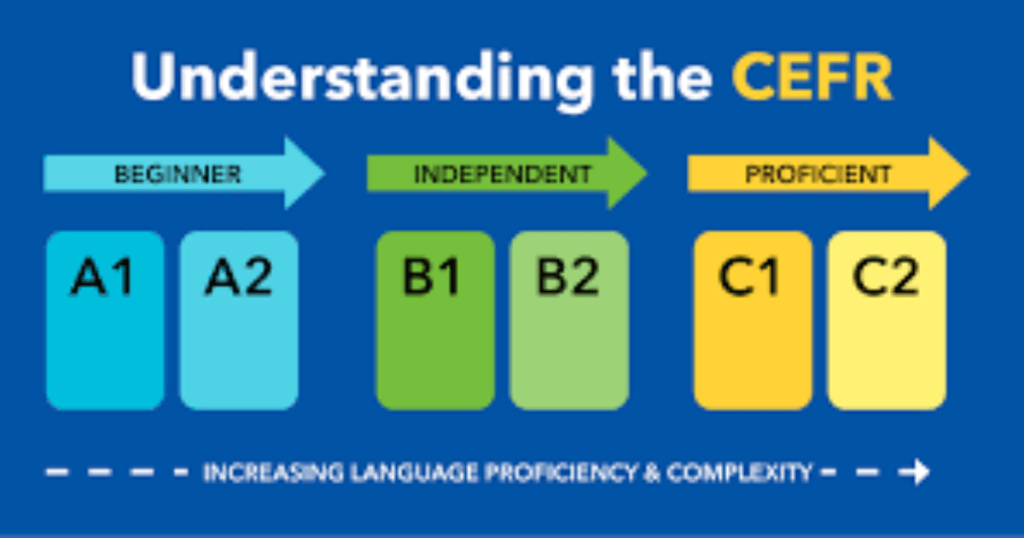
What Does B2 Mean? (Upper-Intermediate Level Explained)
At B2, you reach the upper-intermediate level. Your speech becomes more natural and confident. You can discuss complex ideas and use language more freely. Many learners ask what can a B2 learner do, and the answer includes deeper communication.
You improve your speaking skills, writing skills, and language fluency. You can handle academic language use and even basic professional language skills. This level answers is B2 considered fluent as almost fluent in most real-life situations.
Key Differences Between B1 and B2
The difference between B1 and B2 is clear when you compare real abilities. B1 focuses on survival communication in language system. B2 focuses on independence. Your vocabulary range expands and your grammar accuracy improves greatly.
Here is a simple comparison:
Skill Area B1 Level B2 Level
Speaking Basic ideas Detailed opinions
Listening Slow speech Natural speech
Writing Simple text Structured writing
Reading Short texts Complex texts
This shift improves your communication skills and builds strong language fluency.
Why B1 and B2 Levels Matter
These levels are not just labels. They shape your learning journey. Many people ask is B2 enough for work or study, and the answer is yes in many cases. Employers and universities often require B2 for success.
B1 helps with real-life communication like travel and daily tasks. B2 supports academic language use and workplace success. These levels improve your language comprehension and give you clear goals to follow.
How to Move from B1 to B2
Moving forward requires smart practice. Many learners search how to move from B1 to B2 or how to improve from intermediate to upper intermediate. The answer is simple. Use real content and practice daily.
You should focus on speaking, listening, and writing often. Watch shows, read articles, and write short texts. This improves language skills development and builds confidence. It also helps if you follow a routine for how to reach B2 level fast.
Pro Tips: How to Reach B2 Faster
Consistency changes everything. Practice daily even for short time. Use real conversations to improve conversational ability. Try thinking in your target language. This improves language fluency and strengthens your understanding.
Small habits matter more than long sessions. Use simple tools and stay consistent. Over time, your communication skills will grow naturally.
Final Thoughts
Now you understand what does B1 mean in language learning and what is B2 level English clearly. These levels guide your progress in a structured way. They are part of a powerful CEFR guide for beginners and advanced learners alike.
If you stay consistent, you will improve step by step. Focus on real usage and daily practice. That is the best way to build strong language proficiency levels and achieve true fluency.
FAQs
- B1/B2 visa?
The B1/B2 visa is a U.S. visitor visa for business (B1) and tourism or medical visits (B2). - B1/B2 visa length of stay?
Typically up to 6 months per visit, as determined by U.S. Customs and Border Protection at entry. - B1/B2 visa application?
Apply online via the DS-160 form on U.S. Department of State website and attend an embassy interview. - B2 visa requirements?
Valid passport, proof of funds, travel purpose, and strong ties to your home country to show you’ll return. - B1/B2 visa fees?
The standard application fee is about $185, set by the U.S. Department of State. - B1 visa requirements?
Proof of business purpose, financial ability, and intent to return home after temporary stay. - B1/B2 visa latest News?
Policies may change, so check updates from the U.S. Department of State or embassy websites. - B2 visa cost?
The B2 visa also costs around $185, same as the combined B1/B2 visa fee.
