


Understanding will vs going to can feel tricky at first, especially when both forms talk about the future. Many learners struggle with this part of English grammar rules because the difference seems small but changes meaning. When you focus on future tense usage, you begin to see how timing and intention matter. Some sentences show quick decisions, while others reflect planned actions already decided.
This distinction helps you speak more clearly in daily situations. As you explore future forms in English, you will notice patterns that improve accuracy. Mastering this topic also supports better fluency and builds confidence in real conversations over time.
Understanding “Will”
Ever wondered why native speakers choose one future form quickly. The answer starts with will vs going to basics. In this English grammar lesson, “will” shows instant choices. You use it for spontaneous decisions. It also appears in promises and quick reactions.
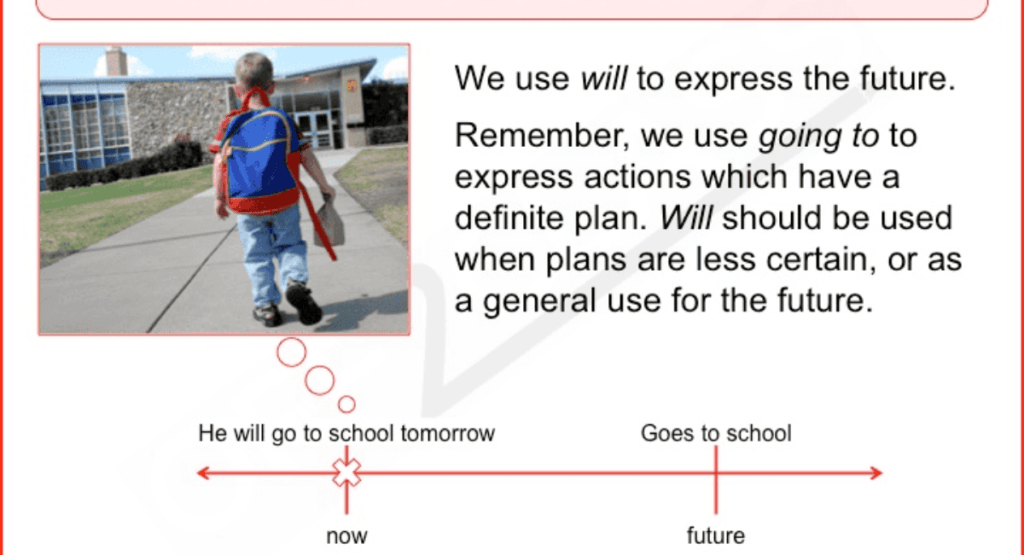
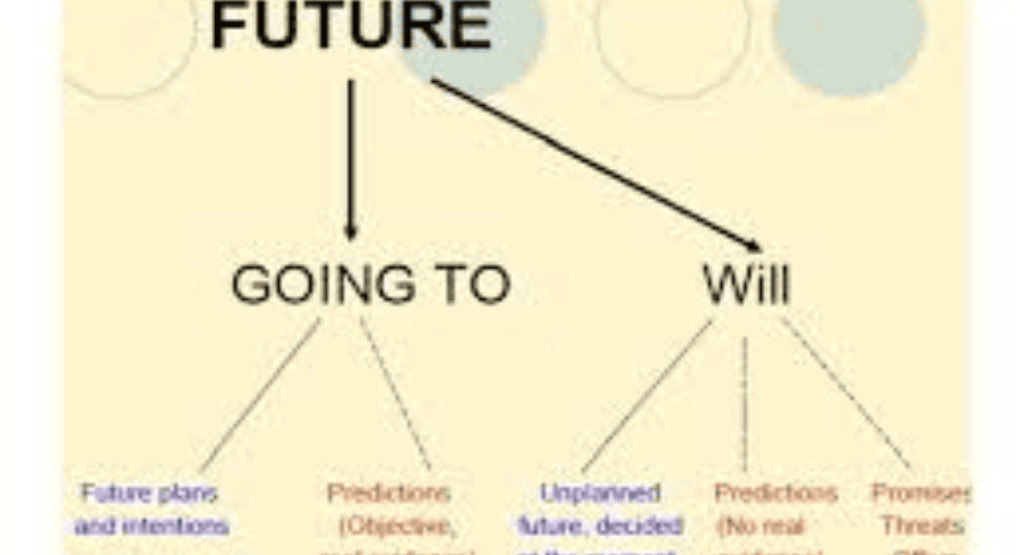
You also use it for making predictions without proof. This fits common future tense usage in daily talk. The use of will in English feels natural in fast speech. It helps you speak clearly. This builds strong English fluency practice over time.
Understanding “Going To”
Now shift your focus to planned actions. In when to use going to, this form shows intention. It fits actions already decided. This reflects clear planned actions in real life. It is common in everyday English usage across the USA.
You also use it when evidence is clear. Dark clouds mean rain soon. This is part of future forms in English. The use of going to in English feels more certain. It improves your English sentence structure and makes speech more natural.
Key Differences at a Glance
Let’s simplify the difference between will and going to. This grammar comparison helps you see patterns. Timing matters most. One is instant. The other is planned earlier.
Situation Use “Will” Use “Going To”
Decision timing Now Before
Certainty level Opinion Evidence
Style Quick Planned
This table supports your future tense explanation. It also improves learning English effectively through clarity.
Real-Life Examples
Imagine daily life in the USA. You hear real speech patterns. These real-life conversation examples show clear differences. For example, “I will call you” means you decide now. “I am going to call you” shows prior planning.
These are strong will and going to examples. They show sentence meaning differences clearly. You learn faster by hearing natural speech. This builds confidence in speaking naturally in English during real conversations.
Common Mistakes to Avoid
Many learners confuse forms. This creates common grammar mistakes in English. For example, using “will” for fixed plans sounds odd. It breaks natural flow. This is a key part of beginner English grammar challenges.
Another mistake is mixing both forms wrongly. This weakens clarity. Follow simple will vs going to rules. These rules guide your English grammar for beginners journey. Avoiding errors helps you speak more like a native.
Tips to Remember Easily
You can simplify learning with smart memory tricks. Think “decision now equals will.” Think “plan equals going to.” These are simple grammar learning tips. They support faster recall in daily use.
Practice daily with short sentences. Try basic will and going to exercises. This improves your English grammar guide understanding. Over time, patterns become automatic. You start to learn English grammar without stress.
Why This Matters
Strong grammar builds confidence. Mastering will vs going to usage improves clarity. It helps in work, school, and travel. You communicate ideas better. This is key in advanced grammar concepts.

It also improves listening skills. You understand native speakers faster. This supports your growth in the English future tense. Clear grammar leads to better communication. That is why this topic truly matters.
Final Thoughts
Learning how to use will and going to becomes easy with practice. Focus on intention and timing. These two ideas guide your choice. This builds strong habits over time.
Keep practicing daily. Use real conversations. Follow simple English grammar tips. Soon, you will speak with ease. Your confidence will grow. And your English will sound natural and clear.
Meta Description
Learn when to use “will” vs “going to” with simple rules, examples, and tips to improve your English future tense skills fast.
FAQs
When to use will or going to?
Use will for instant decisions and promises, use going to for planned actions or evidence-based predictions.
When should I use going to instead of will?
Use going to when the decision is already made or when you see clear signs something will happen.
Is will or going to stronger?
Going to feels more certain, while will sounds more flexible or opinion-based.
Which is better for expressing promises: will or going to?
Will is better for promises because it shows commitment at the moment of speaking.
How to teach the difference between will and going to?
Explain timing: “now decision = will” and “planned earlier = going to” with real-life examples.
What are 10 examples of going to?
I am going to eat, she is going to study, they are going to travel, we are going to watch a movie, he is going to call, I am going to buy shoes, she is going to cook, we are going to meet, they are going to play, he is going to start a job.
When to use will vs going to worksheet?
Use worksheets to practice choosing between instant decisions and planned actions.
When to use will vs going to exercises?
Use exercises to improve understanding through sentence correction and gap filling.
When to use will vs going to in future tense?
Use will for spontaneous decisions and going to for prior plans or strong evidence.
Will vs going to exercises?
They include fill-in-the-blanks, multiple choice, and sentence rewriting tasks.
When to use will vs going to pdf?
PDFs provide rules, examples, and practice exercises for offline learning.
When to use will vs going to examples?
Examples help show real-life differences like “I will help” vs “I am going to help.”
When to use will and going to in future tense?
Use both depending on intention: will for decisions now, going to for planned actions.
‘Will’ and going to examples?
“I will call you now” and “I am going to call you later.”
