Traffic Patterns and Safety Insights from Turning Movement Counts
Understanding traffic flow at busy intersections is critical for improving safety and reducing congestion. The intersection of SE 192nd Avenue and SE Brady Road experiences varied traffic patterns, with high volumes of peak hour traffic and complex turning movements.
Conducting turning movement counts (TMCs) at this location allows planners to analyze lane capacity, identify bottlenecks, and assess traffic safety and crash risk. By tracking left-turn and right-turn lanes, through movements, and pedestrian activity, traffic engineers can develop data-driven strategies to optimize signal timing, reduce delay and congestion, and enhance overall traffic operations. TMCs provide the insights necessary for smart suburban traffic management and long-term planning.
What turning movement counts measure
Turning movement counts (TMCs) record the number of vehicles making through movement, left-turn movement, or right-turn movement at an intersection. They also include pedestrian and bicycle volumes, helping planners understand non-motorized crossings. Data is usually collected during peak periods, such as morning and evening rush hours, to capture the highest demand on arterial roads.
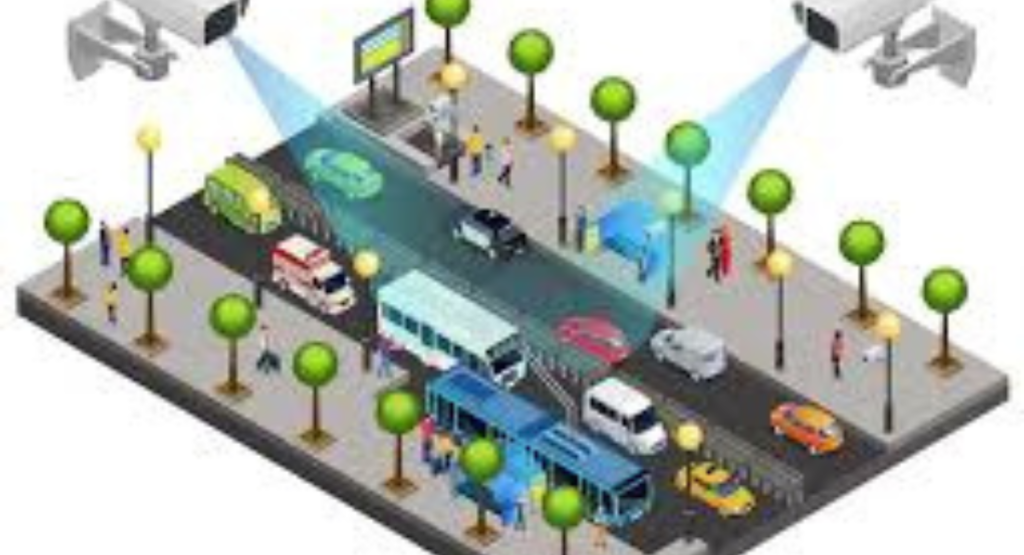
TMCs also classify vehicles by type using vehicle classification, including cars, trucks, and buses. This helps estimate queue length, measure traffic flow patterns, and identify how well intersections handle lane capacity. For example, an intersection with high left-turn and right-turn lanes demand may need traffic signal timing adjustments to reduce delay and congestion. The table below shows an example of a typical TMC recording for a suburban intersection:
Movement Type AM Peak (Vehicles/hr) PM Peak (Vehicles/hr)
Through movement 850 920
Left-turn movement 300 350
Right-turn movement 450 480
Pedestrian volumes 120 90
Bicycle volumes 45 30
Why SE 192nd & SE Brady is a good candidate for study
The intersection of SE 192nd Avenue and SE Brady Road is a busy junction in a growing suburban corridor. Many residents, schools, and small businesses rely on this intersection daily. Traffic operations can become strained during peak periods, leading to delay and congestion. The high demand for left-turn and right-turn lanes combined with pedestrian and bicycle volumes makes it ideal for turning movement counts (TMCs) and intersection analysis.
Growth in the surrounding neighborhoods adds more vehicles to arterial roads. Without proper access management and traffic signal timing, congestion can worsen and increase traffic safety and crash risk. By analyzing TMCs, traffic engineers can propose traffic improvements, evaluate adaptive signal control, and even consider changes in roundabout and intersection geometry to reduce queues and improve safety.
Interpreting typical TMC findings (illustrative)
Turning movement counts (TMCs) at this intersection often show that most vehicles travel straight along SE 192nd Avenue, while left-turn movement and right-turn movement peaks create queues at the side streets. Peak hour traffic data reveals directional imbalances, where one direction carries most of the load. Non-motorized crossings also concentrate near schools and bus stops, highlighting where pedestrian-leading intervals may be needed.
The table below illustrates a hypothetical AM peak TMC summary for SE 192nd Avenue and SE Brady Road:
Approach Through Left-turn Right-turn Pedestrian Bicycle
SE 192nd NB 450 180 120 50 20
SE 192nd SB 400 200 150 40 15
SE Brady EB 250 120 80 30 10
SE Brady WB 300 150 90 35 10
From these counts, engineers can understand traffic flow patterns, queue length, and congestion points, guiding traffic operations and safety improvements.
Implications for operations and safety
Analyzing TMCs provides insight into how signal phasing and lane capacity affect traffic operations. High volumes in left-turn movement often cause backups into through lanes, suggesting the need for protected turn signals or longer left-turn and right-turn lanes. Adaptive strategies such as adaptive signal control can adjust green light times based on real-time peak hour traffic, reducing delay and congestion.
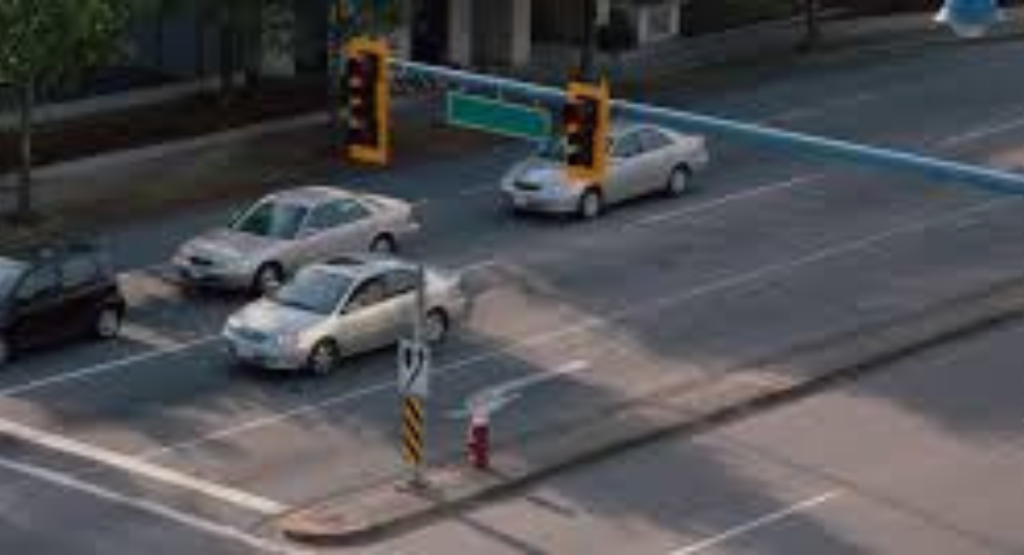
Safety is another critical concern. High pedestrian and bicycle volumes near non-motorized crossings demand pedestrian-leading intervals and clear markings. Poor access management or misaligned lanes can increase traffic safety and crash risk. Studying turning movement counts (TMCs) allows planners to consider roundabout and intersection geometry, improve lane design, and prevent conflicts. Proper traffic modeling ensures solutions are cost-effective and reduce long-term risk.
Recommendations for SE 192nd & SE Brady
Short-term solutions include adjusting traffic signal timing to match peak demands and extending left-turn and right-turn lanes to accommodate high traffic flow patterns. Installing pedestrian-leading intervals improves safety for non-motorized crossings, while optimizing lane allocation reduces delay and congestion.
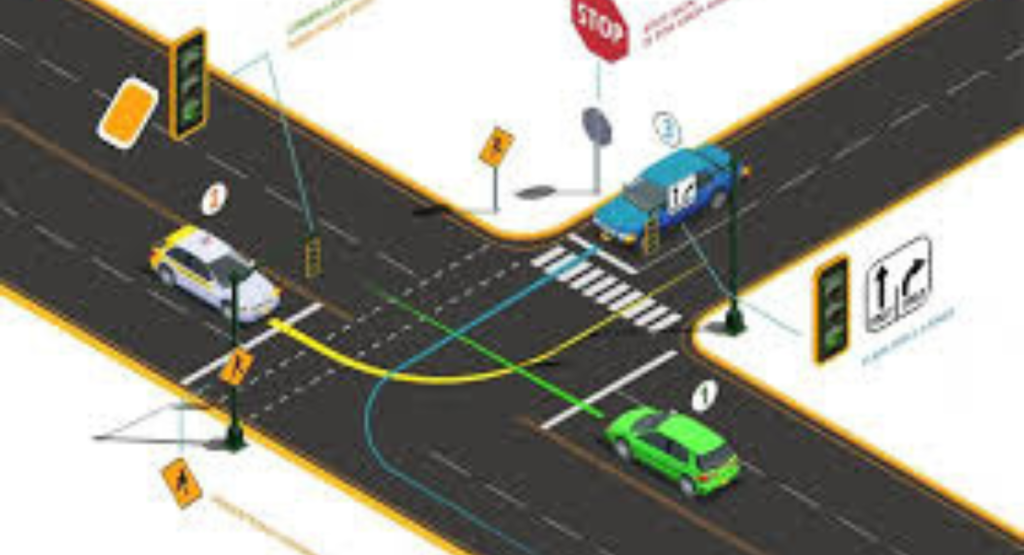
Long-term strategies may involve redesigning the intersection using roundabout and intersection geometry, conducting detailed traffic modeling, and implementing adaptive signal control. Continuous traffic data collection ensures improvements match growth trends along suburban traffic corridors. Traffic improvements guided by turning movement counts (TMCs) can enhance safety, reduce congestion, and improve the overall travel experience for drivers, pedestrians, and cyclists alike.
Conclusion
Turning movement counts (TMCs) at SE 192nd Avenue and SE Brady Road provide invaluable insights into traffic flow patterns, queue length, and traffic safety and crash risk. By understanding through movement, left-turn movement, right-turn movement, and pedestrian and bicycle volumes, engineers can plan effective traffic improvements. Continuous traffic data collection and analysis ensure intersections remain safe, efficient, and prepared for future growth along arterial roads and suburban traffic corridors.
Meta Description
“Analyze SE 192nd Ave & SE Brady Road turning movement counts to improve traffic flow, safety, and reduce congestion efficiently.”
FAQs
Traffic count by address?
Some local or state transportation agencies provide traffic counts for specific addresses through their online portals or GIS tools.
Traffic volume map?
Interactive maps showing traffic volumes are available from state DOTs or platforms like StreetLight Data or OpenTraffic.
Road traffic data?
Agencies collect traffic data including vehicle counts, types, and speeds; this data is often available via DOT websites or city planning departments.
Traffic volume by time of day?
Peak and off-peak traffic volumes are typically reported in traffic count studies or TMC datasets from transportation departments.
Traffic Count Database System (TCDS)?
A centralized system where states store historical traffic counts, accessible for planning and analysis.