How Pedestrians and Cyclists Affect Turning Movement Counts in Modern U.S. Intersections
Intersections look simple until you study the numbers behind them. To truly understand How Pedestrians and Cyclists Affect Turning Movement Counts, you must look beyond cars alone. Rising urban active transportation trends mean more people walk and bike through busy crossings every day. This shift changes turning movement counts, alters traffic signal timing, and directly influences overall intersection performance.
When engineers ignore the pedestrian impact on traffic counts or overlook growing bicycle turning movements, delays and safety risks quietly increase. Modern traffic planning now demands a wider lens, one that measures every movement shaping today’s intersections.
Why Turning Movement Counts Matter in Modern Traffic Planning
Every intersection tells a story. Engineers rely on turning movement counts during peak hour traffic counts to understand that story. These counts feed traffic flow modeling and guide traffic signal timing decisions. Without accurate data, planners miscalculate intersection capacity modeling and weaken intersection throughput performance.
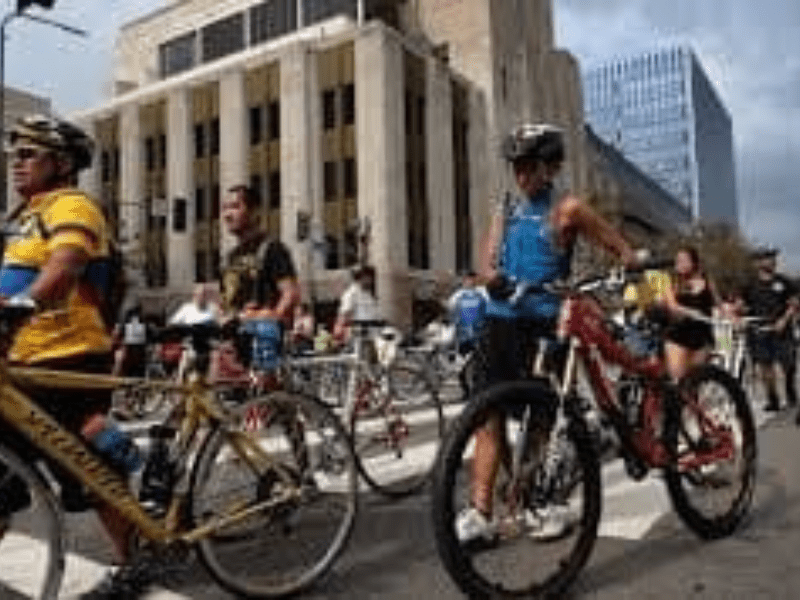
When cities ignore walkers and cyclists, vehicle delay accumulation grows silently. Engineers now use video-based traffic data collection and detailed peak period traffic observation to measure all users. Strong transportation planning data analytics improves intersection operational efficiency. That is how cities uncover how pedestrians and cyclists affect turning movement counts in real life.
A quick comparison shows why inclusion matters:
Analysis Type Data Included Result Accuracy
Vehicle Only Cars and trucks Moderate
Multimodal Cars, bikes, pedestrians High
The Pedestrian Impact on Traffic Counts and Signal Timing
Crosswalk activity reshapes traffic flow. The pedestrian impact on traffic counts appears most during extended pedestrian crossing intervals. Engineers apply pedestrian crossing speed assumptions when calculating signal timing. If crossings take longer, signals adjust. This leads to signal cycle capacity reduction and shorter green time for turning cars.
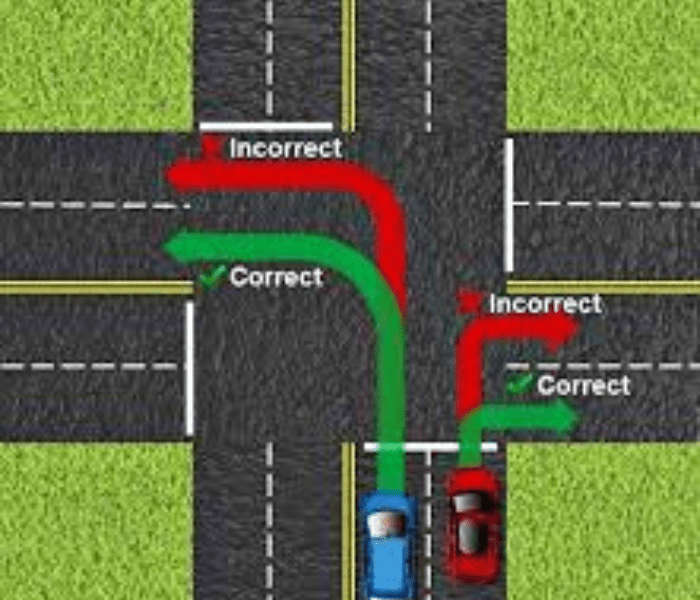
Turning drivers must yield. That turning vehicle yield behavior directly lowers right-turn lane capacity. As walkers cross, vehicle queue lengths expand. More delay follows. Modern real-time pedestrian detection systems now help improve signal timing adjustments. These tools reduce vehicle turning conflicts and strengthen intersection safety improvements while protecting walkers.
Consider this simplified delay example:
Scenario Avg. Delay per Cycle
No pedestrian phase 45 seconds
Heavy crossing activity 85 seconds
That difference explains how pedestrians and cyclists affect turning movement counts at busy corridors.
Bicycle Turning Movements and Their Growing Influence
Cyclists add another layer. Growing urban active transportation trends increase bicycle turning movements across U.S. cities. Riders perform left merges, right turns, and the common two-stage bike turn. Each move affects intersection performance and reshapes vehicle queue lengths.
In mixed traffic, shared lane bicycle merging behavior slows vehicles slightly. Those seconds matter. In corridors with protected bike lanes, engineers often add signal phases. These changes improve safety yet create small multimodal traffic conflict points. Smart adaptive signal systems help manage this complexity and maintain smoother flow.
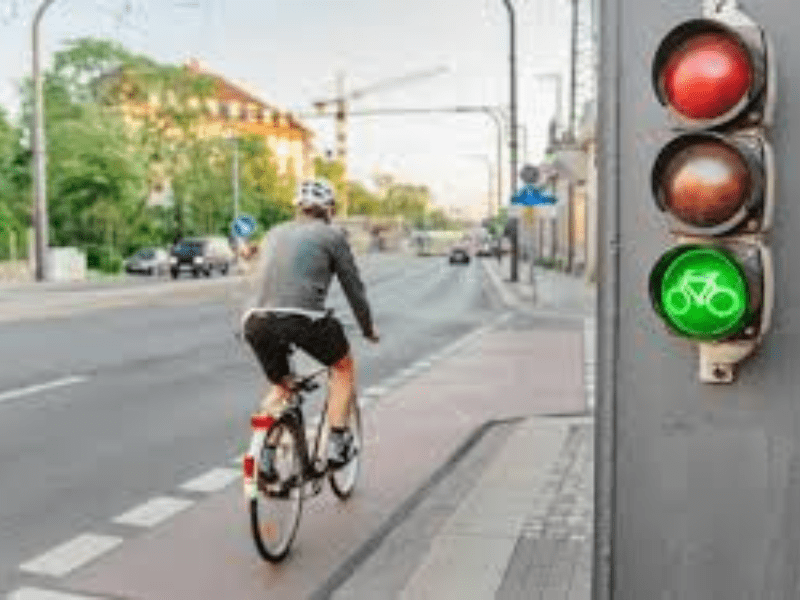
Research from the Federal Highway Administration shows intersections with safe bike infrastructure see fewer crashes. That supports long-term crash risk reduction strategies and strengthens human-centered street design.
Multimodal Intersection Analysis in Practice Across the USA
Modern cities rely on multimodal intersection analysis instead of car-only review. Engineers conduct corridor-level traffic analysis using sensors and cameras. They integrate traffic signal timing, cyclist data, and walking volumes into one model. This boosts intersection operational efficiency and reduces hidden bottlenecks.
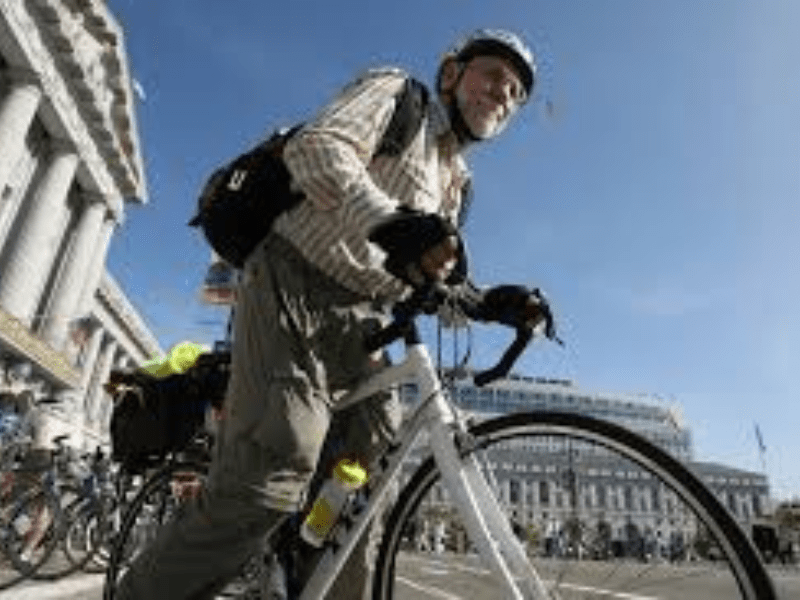
Through better traffic flow modeling, planners understand how pedestrians and cyclists affect turning movement counts during real demand surges. They evaluate multimodal traffic conflict points and improve safety through Vision Zero safety planning. These strategies align safety with performance rather than forcing a trade-off.
A recent case study in Seattle showed a 15 percent reduction in delay after balanced signal timing adjustments and upgraded detection systems. That proves data-driven design works.
Safety, Capacity, and the Future of Intersection Planning
The future looks smarter. Engineers now combine intersection capacity modeling with real-time pedestrian detection systems. These tools reduce vehicle delay accumulation while protecting vulnerable users. By focusing on intersection safety improvements, cities improve both flow and fairness.
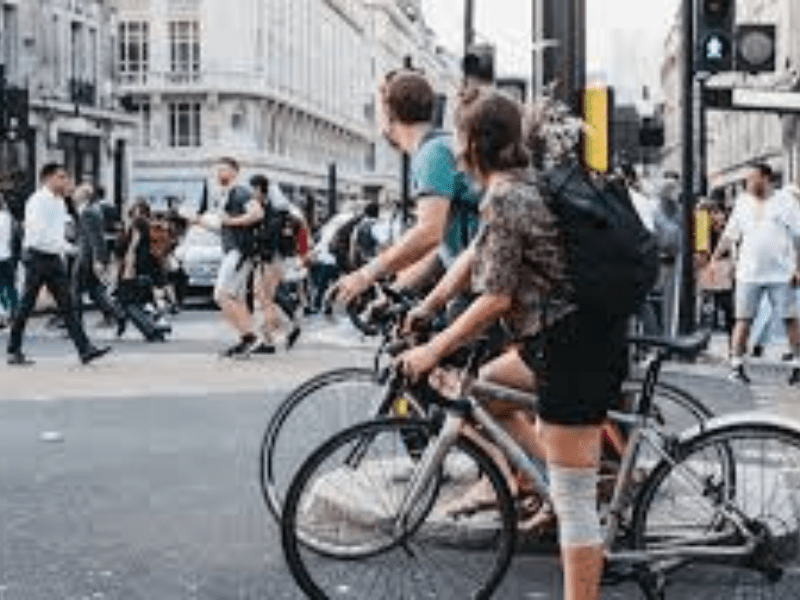
Understanding how pedestrians and cyclists affect turning movement counts helps leaders design resilient systems. With stronger transportation planning data analytics and flexible adaptive signal systems, intersections become safer and more predictable. Streets evolve from car corridors into balanced public spaces built for everyone.
In simple terms, when cities measure every traveler, they build intersections that truly work.
Metadescription
How Pedestrians and Cyclists Affect Turning Movement Counts and reshape signal timing, safety, and intersection performance.
FAQs
What is the 75% rule in cycling?
It suggests riding at about 75% of your maximum effort or heart rate during endurance training to build aerobic fitness safely.
What are turning movement counts?
Turning movement counts are traffic studies that measure how many vehicles, cyclists, or pedestrians turn left, right, or go straight at an intersection.
What did Susan B. Anthony say about bicycles?
She said the bicycle “has done more to emancipate women than anything else in the world,” praising its role in women’s freedom.
What is the rule 66 for cyclists?
Rule 66 commonly refers to UK Highway Code guidance allowing cyclists to ride two abreast when safe, especially in larger groups.
What is the 80/20 rule in cycling?
It means spending about 80% of training time at low intensity and 20% at high intensity for optimal performance gains.
What is the 105% rule in cycling?
It often refers to training intervals at 105% of Functional Threshold Power (FTP) to improve strength and lactate tolerance.
What is the 3km rule in cycling?
In road racing, riders involved in a crash within 3 km of the finish may receive the same time as their group to avoid unfair penalties.
What is the 5k rule in cycling?
There is no universal 5K cycling rule, but it often refers to beginner goals of completing a 5-kilometer ride consistently.
What is the 3% rule for tires?
The 3% rule suggests tire pressure may drop about 3% for every 10°F temperature decrease, affecting performance and grip.