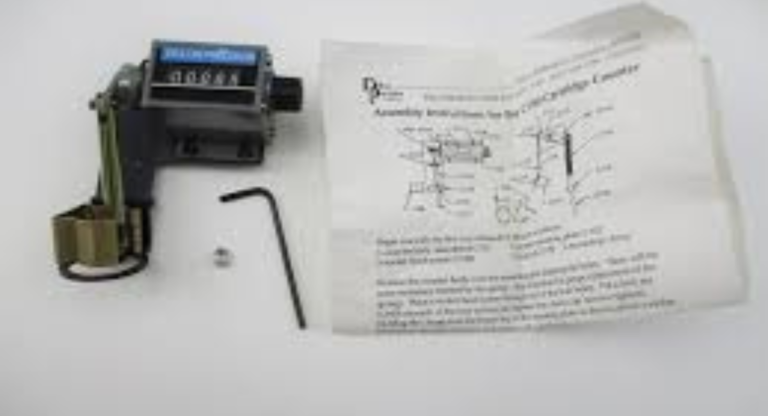
Digital Counter Display – Complete Guide to Applications and Features
A digital counter display is an advanced device designed to track and visually show numerical values electronically, providing clear and precise readings for various applications. Unlike traditional mechanical counters, it relies on LED display counters, LCD counters, or OLED display counters to present data instantly.
These devices are widely used in production line monitoring, laboratories, and electronics to automatically increment the display as events occur, reducing errors. Modern digital counters offer programmable limits and alarm functions, ensuring efficiency, accuracy, and real-time monitoring. Their versatility and reliability make them indispensable in industrial, consumer, and event-driven environments, enhancing operational control and workflow management.
What is a Digital Counter Display and How It Works
A digital counter display is a device designed to track and visually show numerical values electronically. Unlike traditional mechanical counters, it uses LED display counters, LCD counters, or OLED display counters to provide clear and accurate digital readings. Digital counters receive input from factory assembly sensors, switches, or microcontrollers. When an event occurs, such as a product passing on a production line monitoring system, the counter can automatically increment the display. This allows operators to reduce counting errors and maintain accurate production records without manually checking each item.
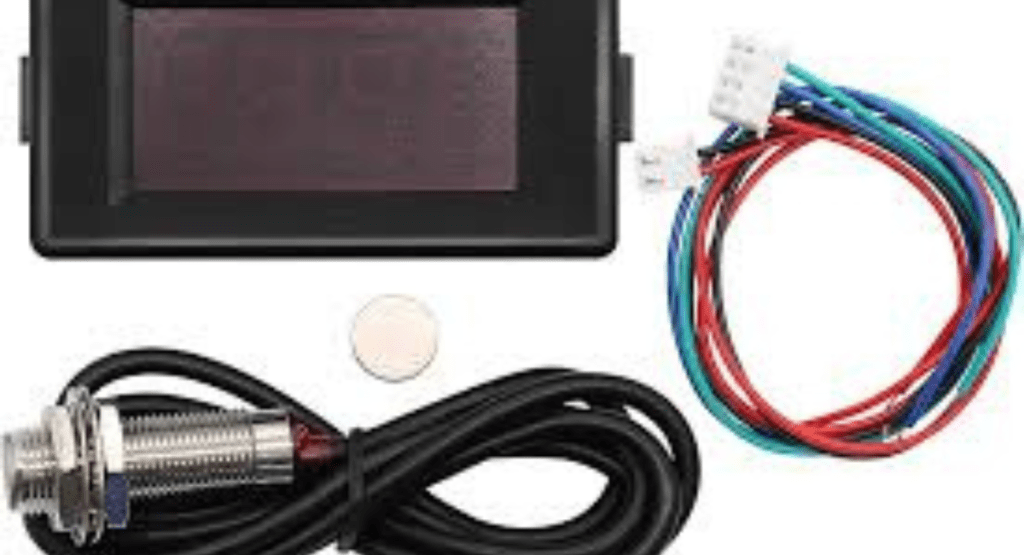
Digital counters are highly versatile because they can handle a wide variety of inputs. For example, PLC system integration or IoT-enabled counters allows the device to communicate with centralized control systems. In industries like electronics or pharmaceuticals, these counters ensure precise count tracking in real-time. Operators can quickly identify production discrepancies, improve workflow efficiency, and monitor overall system performance with real-time monitoring features.
Advantages of Using Digital Counter Displays
One of the main benefits of digital counters is precision. They minimize human error and provide consistent results. Many devices come with programmable limits and alarm functions, which can alert operators when production goals are met or exceeded. This feature is especially useful in large-scale factories where maintaining quotas is essential. Digital counters can also be customized for various applications, from high-speed production lines to small laboratory setups.
Another advantage is versatility. Modern electronic counting devices can integrate with multiple systems, including microcontroller counters or PLC systems. They support multiple counting modes and can handle tasks such as batch counting and totalizing counters, which keep memory storage and cumulative totals over long periods. These features are vital for inventory management, quality control, and ensuring that production processes meet regulatory standards.
Counting Modes and Functionalities
Digital counters are designed to operate in multiple modes. Some count upward, count downward, switch between modes, or perform advanced tasks such as batch counting and totalizing counters. This flexibility makes them suitable for various industries and ensures that operators can adjust to specific operational needs. Advanced models allow memory storage and cumulative totals, which helps track historical performance and maintain accurate logs for auditing purposes.
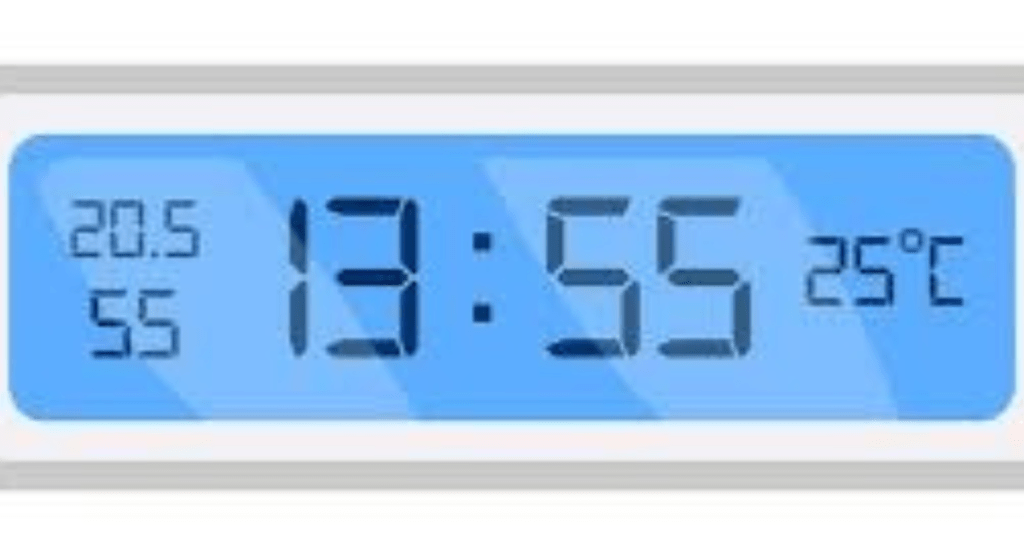
These counters can handle high-speed events without errors, making them ideal for production line monitoring and other fast-paced environments. For example, an automated bottling line uses counters to track bottles as they move through the system. Operators can rely on clear and accurate digital readings to quickly assess performance and identify any production bottlenecks. This combination of speed and precision ensures workflow optimization and operational efficiency.
Integration with Automation and IoT Systems
Modern digital counters integrate seamlessly with automation systems and IoT devices. With remote viewing of counter data, managers can monitor production lines from anywhere. IoT-enabled counters allow analyze performance trends and detect irregularities in real-time. These integrations are particularly useful in large facilities where manual monitoring is impractical. Adjustments can be made instantly to prevent downtime and ensure smooth operations.
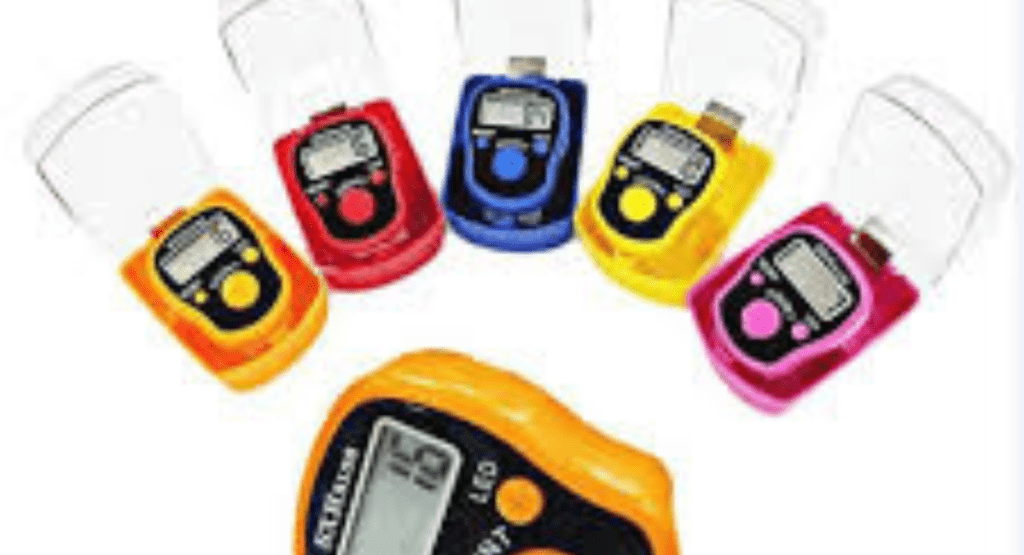
Integration also supports adjust processes for maximum efficiency. For example, a smart factory may use counters connected to PLC system integration to automatically stop machines when target counts are reached. This reduces overproduction and waste. Combining digital counters with automation enables predictive analytics and real-time reporting, making production smarter, faster, and more reliable.
User-Friendly Features and Maintenance Benefits
Digital counters are designed to be easy to operate. Bright, high-contrast screens for visibility allow users to read counts clearly in any lighting condition. Many models are housed in waterproof or dustproof casings, making them suitable for harsh environments like outdoor facilities or dusty factory floors. Unlike mechanical counters, they have no moving parts that wear out, ensuring long-term durability.
User-friendly features include simple reset options, touch interfaces and wireless connectivity, and adjustable display parameters. This allows operators to customize counting parameters for different applications, such as adjusting batch sizes or alert thresholds. Overall, digital counters provide consistent, ensure accurate readings and reliable performance, reducing the need for frequent maintenance and improving workflow continuity.
Applications in Industrial, Consumer, and Event Settings
In industrial settings, digital counters are used for production line monitoring, batch counting, and quality control. Factories use microcontroller counters or PLC system integration to track outputs, detect errors, and maintain accurate production records. Similarly, inventory management relies on counters to log items entering or leaving storage, reducing discrepancies and improving accountability.

Consumer and event applications are also growing. Fitness machines like treadmills use counters to display steps, distance, or calories burned. Sports arenas use event counters to show scores, lap times, or audience counts, while conference organizers track attendees efficiently. These applications demonstrate the versatility of digital counters beyond industrial uses, highlighting their reliability and user-friendly displays.
Technological Advancements in Digital Counter Displays
Recent advancements have made digital counters smarter and more connected. Many devices now include touch interfaces and wireless connectivity, allowing operators to customize counting parameters and integrate with mobile or cloud-based systems. Graphical displays and trend analysis features help managers visualize performance data over time.
These technologies also support predictive maintenance. By monitoring usage patterns and performance trends, operators can anticipate equipment failures and optimize workflows before issues arise. Integration with IoT systems and cloud platforms enables better decision-making, ensuring real-time monitoring and streamlined operational control across industrial, consumer, and event settings.
How to Choose the Right Digital Counter Display
Choosing the right digital counter display depends on several factors, including counting range, display type, input method, and environment. Industrial counters may require high-contrast screens for visibility and durable casings. Consumer-grade counters might focus on portability and simple functionality. Understanding your operational needs ensures accurate readings and reliable performance.
Other considerations include connectivity and integration. Counters with IoT-enabled counters or PLC system integration are ideal for smart factories, while simple fitness counters may only need local display and memory storage. Selecting the right device guarantees precise operation, long-term durability, and efficient workflow across applications.
Conclusion: Why Digital Counter Displays Are Essential
Digital counters are critical in modern operations, offering precision, durability, and versatility. They track and visually show numerical values electronically, helping industries, consumers, and event organizers maintain accuracy and efficiency. By leveraging features like real-time monitoring, trend analysis, and predictive maintenance, businesses and individuals can visualize performance data over time and adjust processes for maximum efficiency. From factories to sports arenas, digital counters enhance productivity, reduce errors, and streamline operations, proving to be an indispensable tool in today’s technology-driven world.
Meta Description
“Explore digital counter displays for precise count tracking, real-time monitoring, and efficient workflow in industrial and consumer use.”
FAQs
What is digital LED counter display?
A digital LED counter display is an electronic device that shows numerical counts using bright LED screens, ideal for clear visibility in industrial or event settings.
What is digital counter display online?
A digital counter display online refers to a virtual or web-based counter that tracks events or numbers digitally through software or apps.
What is digital counter with Sensor?
A digital counter with sensor automatically counts items or events by detecting motion, objects, or signals via sensors, reducing manual errors.
What is large digital counter display?
A large digital counter display features an oversized screen for easy visibility from a distance, suitable for factories, sports arenas, or public events.
What is digital counter display app?
A digital counter display app is software that simulates a counter on smartphones or tablets, allowing digital tracking of numbers anytime, anywhere.
Best digital counter display?
The best digital counter display depends on application, accuracy, durability, visibility, and features like batch counting, alarms, and connectivity.
Digital counter display for sale?
Digital counter displays for sale are available from industrial suppliers, online marketplaces, and electronics stores with options for LED, LCD, and sensor-based models.
What is large LED counter display?
A large LED counter display is a high-visibility electronic counter using LEDs, ideal for tracking numbers in large venues or outdoor environments.