


Writing emails is a daily skill you can’t ignore today. Whether you contact a company or message a friend, knowing how to write emails in English helps you sound clear and confident. Strong email writing skills allow you to express ideas without confusion. When you understand the email structure, your message becomes easier to read and more effective.
In professional settings, using the right tone improves professional communication, while a relaxed style supports personal communication. This guide will show you simple ways to write both formal and informal emails. By learning these basics, you’ll improve clarity, avoid mistakes, and communicate with purpose every time you write.
Understanding the Purpose of Your Email in How to Write Emails in English
Every strong message begins with a clear reason. When you understand your email purpose, your words become sharper and more effective. Whether you focus on professional communication or personal communication, your goal shapes your tone, your vocabulary, and your message direction.
If you’re learning how to start an email, always ask yourself what outcome you expect. For example, business email writing demands precision, while academic email writing requires respect. This awareness improves clear communication and helps you apply writing polite emails naturally.
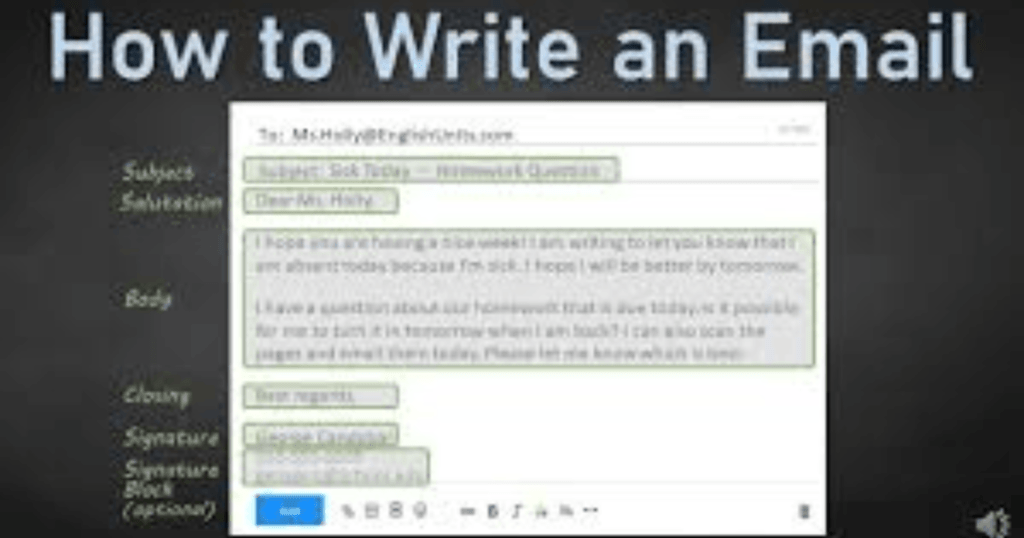
Structure of an Email in How to Write Emails in English
A strong email structure keeps your message organized and easy to read. When you follow a clean format, readers understand your intent quickly. This includes strong subject line writing, proper greetings, and smooth transitions. Good structure supports concise writing and avoids confusion.
Below is a simple table showing a standard email layout:
Section Purpose Example
Subject Clear topic Meeting Request
Greeting Start politely Dear Mr. John
Opening Introduce purpose I am writing to ask…
Body Main message Details here
Closing Wrap up Looking forward…
Sign-off End politely Best regards
Understanding this layout helps in email writing format step by step and improves email etiquette instantly.
Writing Formal Emails in How to Write Emails in English
Formal emails require discipline and clarity. When learning how to write professional emails, you must follow a clear formal email format and use proper grammar and spelling in emails. Avoid slang and focus on respectful tone. This is essential for workplace success.
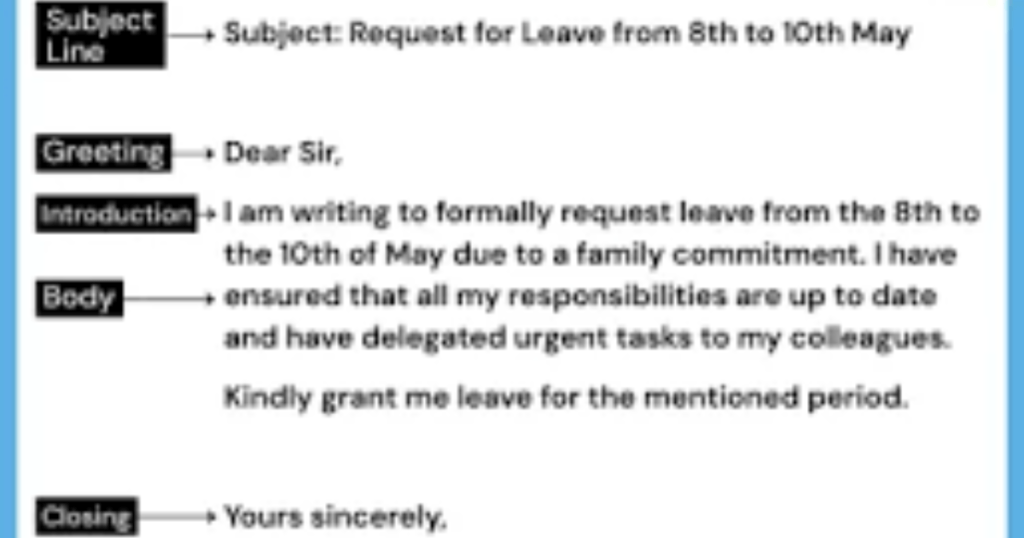
For example, using examples of formal email greetings like “Dear Sir or Madam” shows professionalism. You should also include polite expressions in emails such as “I would appreciate your response.” These small choices improve your email communication tips and strengthen your credibility.
Writing Informal Emails in How to Write Emails in English
Informal emails feel relaxed and friendly. When using an informal email style, you can write as you speak. This makes your message warm and natural. A friendly email tone builds connection, especially with friends or close colleagues.
If you explore informal email examples, you’ll notice contractions and simple language. You might write, “Hey, how’s it going?” This approach helps you understand how to end an email casually using simple sign-off examples like “See you soon.” It makes your writing feel human.
Key Differences Between Formal and Informal Emails in How to Write Emails in English
Understanding the difference between formal and informal emails helps you avoid awkward mistakes in writing communication development. The tone, structure, and vocabulary all change depending on the situation. These writing tone differences are essential for effective communication.
Here is a comparison table to clarify:
Feature Formal Email Informal Email
Tone Professional Casual
Language No slang Conversational
Structure Strict Flexible
Purpose Work-related Personal
Knowing these differences improves your best practices for email writing and helps you adapt quickly.
Tips for Effective Email Writing in How to Write Emails in English
Strong emails are clear, direct, and engaging. If you want to learn how to improve email writing skills, focus on clarity and tone. Use simple words. Avoid long sentences. This improves readability and supports clear communication.
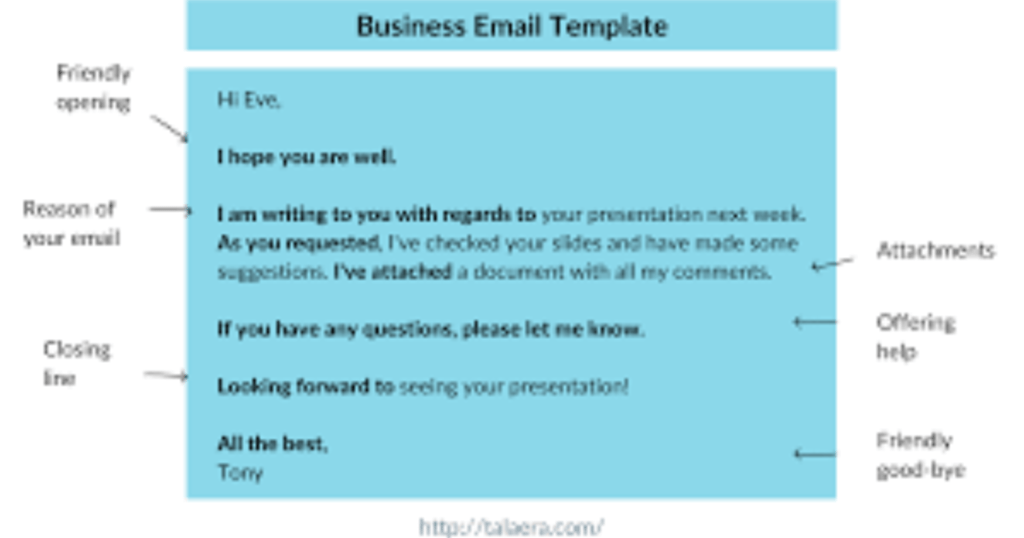
Some of the best tips for writing emails include proofreading, using active voice, and avoiding repetition. You should also learn common email phrases to save time. These habits build strong email writing for beginners and help you write with confidence.
Conclusion on How to Write Emails in English (Formal & Informal)
Mastering how to write emails in English takes practice, but it becomes easier with time. When you understand structure, tone, and purpose, your emails become powerful tools. You communicate clearly, and people respond better.
Keep practicing daily. Focus on small improvements. Over time, your email closing phrases, tone, and clarity will feel natural. This journey will strengthen your voice and make your writing more effective in every situation.
FAQs
How to write a formal and informal email in English?
Use a polite tone and clear structure for formal emails, and a relaxed, friendly tone with simple language for informal emails.
What are the 5 C’s of email writing?
Clear, Concise, Correct, Courteous, and Complete.
What is the 30/30/50 rule for cold emails?
30% personalization, 30% value proposition, and 50% clear call-to-action.
What is the 4 email rule?
Send up to four follow-ups, spaced professionally, before stopping outreach.
What are the four C’s of email writing?
Clear, Concise, Correct, and Courteous.
What is the golden rule of email etiquette?
Write emails as you would like to receive them—clear, polite, and respectful.
How to write emails in English formal and informal for students?
Students should use polite language for formal emails and simple, friendly wording for informal ones.
Formal and informal email writing examples PDF?
You can find free PDFs by searching “formal and informal email examples PDF” on sites like educational blogs or Google.
Informal email to friend example?
“Hey Ali, how are you? I just wanted to tell you about my weekend—it was amazing!”
Formal email example for students?
“Dear Sir, I am writing to request information about the upcoming exam schedule.”
Writing formal emails in English examples?
“I would like to inquire about your services. Kindly provide further details.”
How to write a formal email example?
Start with “Dear [Name],” state your purpose clearly, and end with “Best regards.”
Informal email example?
“Hi Sara, hope you’re doing great! Let’s catch up soon.”
How to write an email professionally?
Use a clear subject, polite tone, structured content, and proper grammar.
