
Phrases, Slang and Expressions: The Ultimate Guide to Natural English Communication
Understanding phrases slang and expressions is the key to sounding natural in real conversations. While textbooks focus on grammar, they often ignore the informal English people actually use every day. When you listen to native speakers, you notice how they mix English phrases, slang, and expressions to communicate quickly and clearly.
Learning these patterns improves your spoken English and builds confidence in real situations. It also helps you follow movies, jokes, and casual chats without confusion. As you practice regularly, your communication skills grow stronger, and you begin to speak more naturally, just like a fluent English speaker in everyday life.
What Are Phrases, Slang, and Expressions?
To begin, phrases slang and expressions shape how people speak naturally. English expressions like how to say “I love you” often carry hidden meaning, while common slang words change with time. These forms appear often in casual language and daily life.
In simple terms, phrases are groups of words, slang is informal speech, and expressions carry special meaning. Learning these improves your English vocabulary and helps you follow real-life conversations with ease.
Why Are They Important?
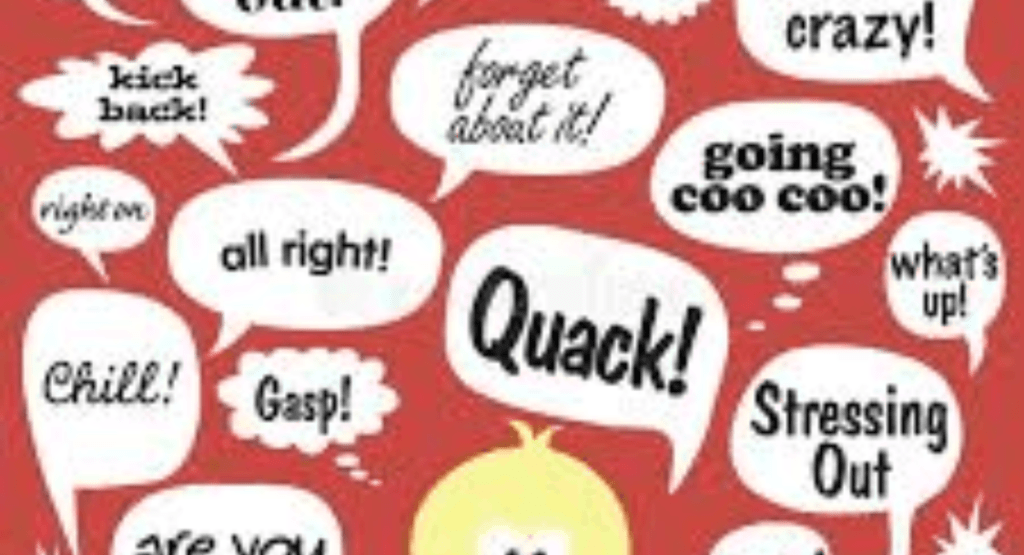
Understanding phrases slang and expressions helps you connect better with people. You start to follow jokes, stories, and fast talk. This boosts listening skills and supports smooth conversational English in daily use.
Also, these language tools improve your speaking fluency. You sound more natural and less robotic. This makes your social interactions stronger and builds confidence in both personal and professional life.
Common English Phrases
Many English phrases appear in daily speech. These everyday English phrases and common English idioms help you express ideas quickly. People use them without thinking, especially in practical communication settings.
Here is a helpful table of common phrases and meanings:
Phrase Meaning
By the way Adding new idea
In a nutshell Brief explanation
On the same page Agreement
At the end of the day Final result
Using these phrases improves your natural English speaking and clarity.
Popular English Slang
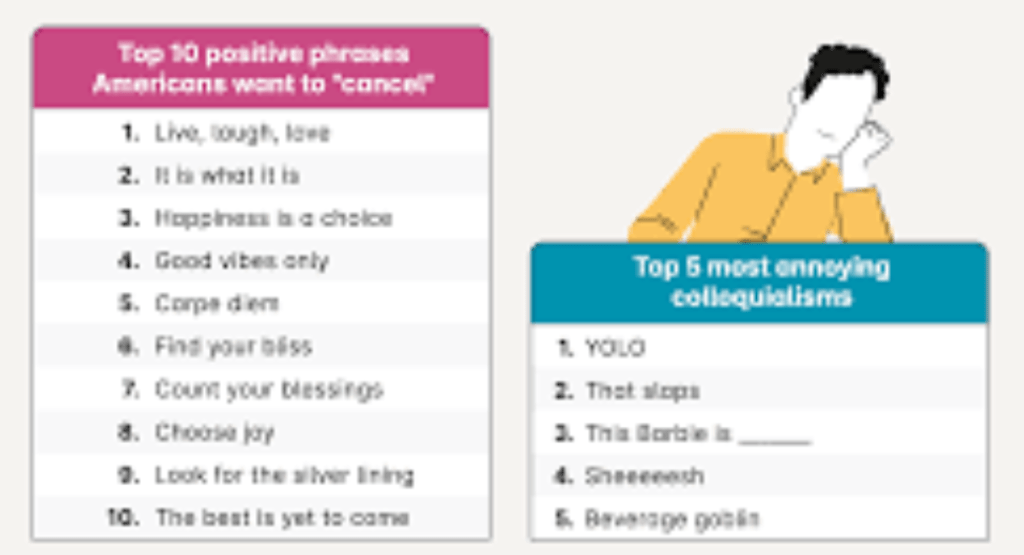
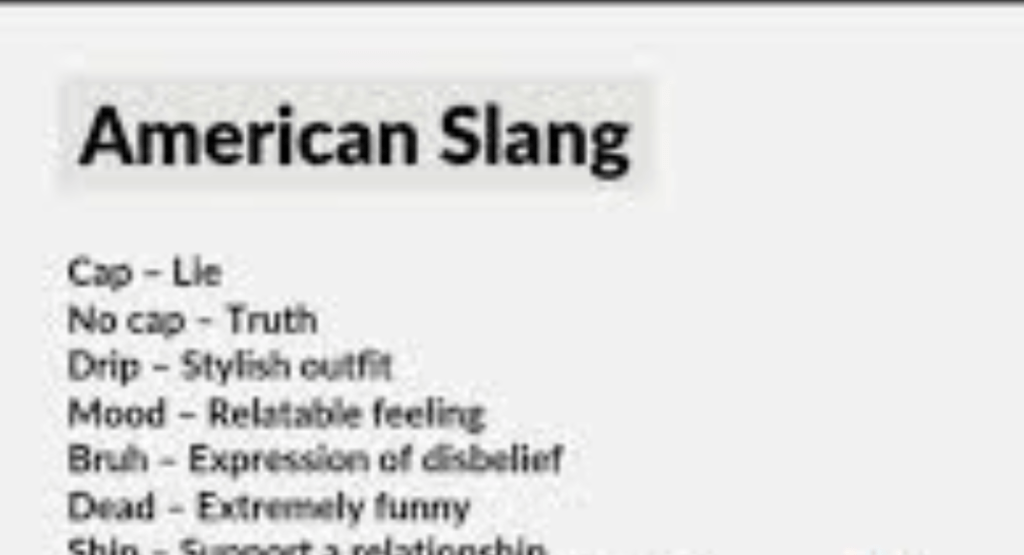
Now let’s explore English slang used by native speakers, is real life English slang you must know how to use in daily life. These common slang words make speech lively. However, meanings can change depending on tone and situation.
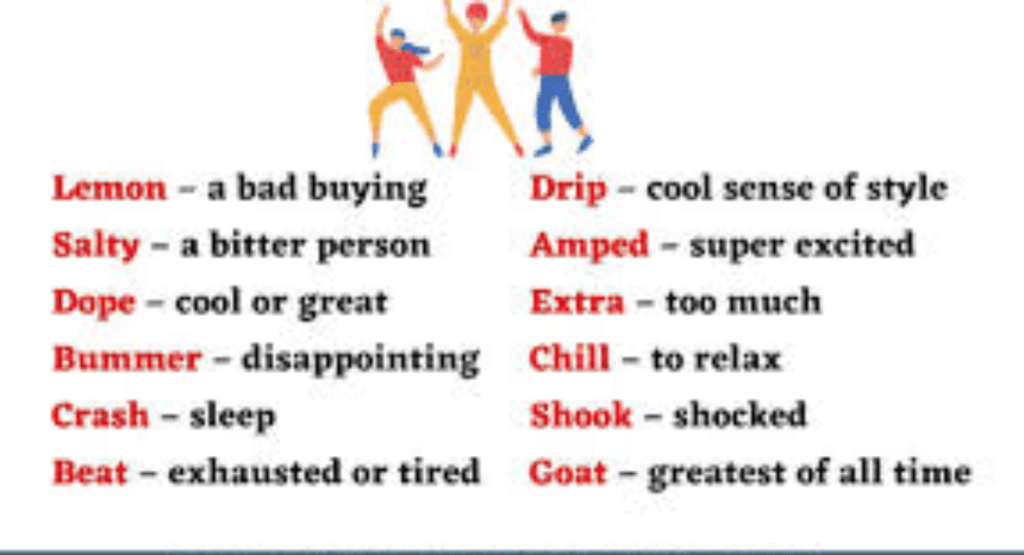
For example, “cool,” “lit,” and “vibe” are popular today. These slang examples appear often in spoken English phrases. Learning them helps you learn English slang and stay updated with modern language trends.
Everyday Expressions You Should Know
Many English expressions are not literal. For example, “break the ice” means starting a conversation. These expressions are common in real-life conversations and daily speech.
Understanding these phrases improves your cultural understanding. It also helps you follow deeper meanings in conversations. This skill is key for strong language learning and real communication.
Differences Between Phrases, Slang, and Expressions
There are clear differences between slang and phrases. Each type serves a unique purpose in English language usage. Knowing these differences helps you use them correctly.
Type Function Example
Phrase Simple idea On the way
Slang Informal word Chill
Expression Hidden meaning Break the ice
This knowledge improves your accuracy and confidence.
When to Use Them
Knowing when to use slang is very important. These forms work best in informal English settings like chats or friendly talks. They are common in everyday conversations.
However, avoid slang in formal writing or interviews. Using the right tone improves your communication skills. It also helps you sound natural in different situations.
Tips to Learn Faster
If you want to master phrases slang and expressions, practice daily. Watch shows, listen to podcasts, and observe native speakers closely.
Also, keep a small notebook. Write new English phrases and slang examples you hear. This method improves memory and helps you improve English speaking faster.
Real-Life Example
Imagine a simple conversation. Instead of saying “I understand,” you say “I get it.” This sounds more natural. These small changes improve natural English speaking quickly.
For example, “Let’s chill” sounds better than “Let’s relax.” These shifts make your speech smoother and more human in real situations.
Conclusion
Mastering phrases slang and expressions is key to fluency. It helps you speak clearly and understand others easily. These tools make language alive and practical.
As you practice daily, your confidence grows. You improve spoken English and enjoy better conversations. Over time, you will speak naturally like a real communicator.
FAQs
What are some popular slang phrases?
“What’s up,” “no cap,” “my bad,” “hit me up,” and “you good?” are widely used today.
What are Gen Z phrases?
Gen Z uses terms like “rizz,” “slay,” “bet,” “vibe,” and “no cap.”
What is 100 in slang terms?
“100” means being real, honest, or keeping it authentic.
What are some cool slangs?
Cool slang includes “lit,” “chill,” “dope,” “fire,” and “awesome.”
What is vibe Gen Z slang?
“Vibe” means the feeling, mood, or energy of a person or place.
What are some old slangs?
Old slang includes “groovy,” “rad,” “far out,” and “cool beans.”
Funny phrases slang and expressions?
“Spill the tea,” “I’m dead,” “big yikes,” and “that’s wild” are funny and expressive.
Popular phrases slang and expressions?
Common ones include “no worries,” “hang out,” “on the same page,” and “break the ice.”
Most common slang words used everyday?
Words like “cool,” “chill,” “okay,” “sure,” and “awesome” are used daily.
Slang words list?
Lit, vibe, flex, savage, ghost, low-key, high-key, drip, hype, legit.
Phrases slang and expressions pdf?
You can find free PDFs online by searching “English slang phrases PDF download.”
100 slang words?
A full list is long, but examples include vibe, lit, savage, flex, ghost, drip, hype, basic.
Slang sentences?
“Let’s chill tonight,” “That party was lit,” “Hit me up later.”
Ghetto slang words?
Some examples include “yo,” “ain’t,” “bro,” and “what’s good” (use respectfully and appropriately).