


Understanding real-life English slang is essential if you want to sound natural in daily conversations. While textbooks teach grammar and rules, they often miss the informal English people actually use. In real situations, native speakers rely on relaxed words and phrases to communicate quickly and clearly.
When you learn these expressions, your speaking fluency improves and your confidence grows. You also begin to understand jokes, movies, and casual chats more easily. This makes your language learning journey smoother and more enjoyable. By focusing on real-life usage, you can connect better with others and express yourself in a more natural and engaging way every day.
What Is English Slang?
English slang is a type of informal English used in casual language. It appears often in spoken English and rarely in formal writing. Native speakers use it in social interactions and informal situations to sound relaxed and friendly.
Learning real-life English slang improves your communication skills and builds speaking fluency. It also boosts your listening skills because you start to understand fast speech. In simple words, slang helps you move from textbook English to real communication.
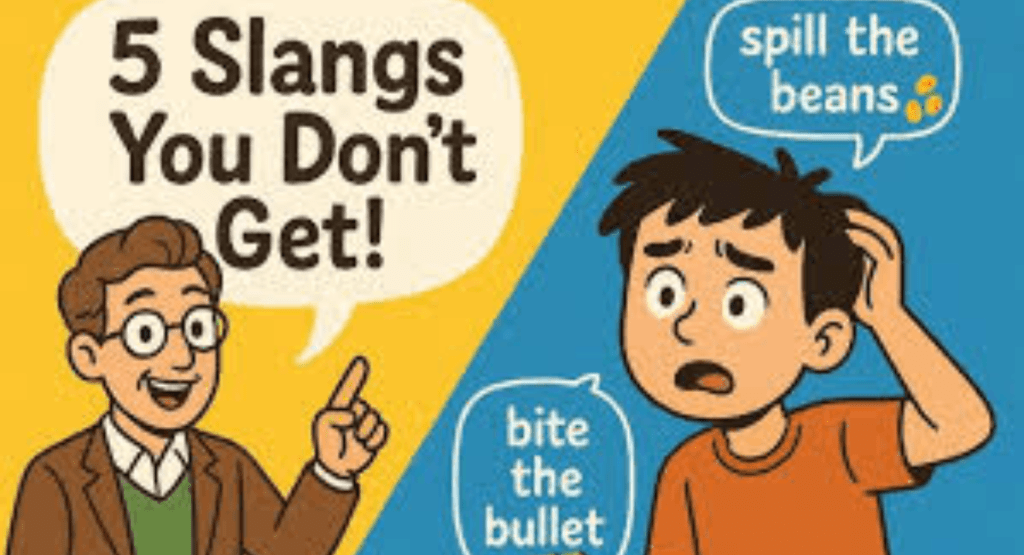
Common Slang Words You Should Know
Let’s explore some common slang words used in real-life conversations across the USA. Words like cool, chill, and awesome are very popular. These slang meanings change based on tone and context, which makes them interesting.
Below is a simple table to help you understand useful slang examples and their meanings in English language usage:
Slang Word Meaning Example
Cool Good or nice That idea is cool
Chill Relax Let’s chill tonight
Awesome Very good That movie was awesome
Weird Strange That sounds weird
Using these words improves your natural English speaking. It also helps you sound less robotic and more human.
Everyday Slang Phrases
Now let’s look at everyday English phrases, slang and expressions used in daily life. These spoken English phrases are short yet powerful. For example, “What’s up?” is a common greeting. It doesn’t need a long answer, which makes it easy to use.
Another useful phrase is “No worries.” It replaces “You’re welcome” in conversational English. When you use these informal phrases, your speech becomes smoother. You also sound more connected during real-life conversations.

Shortened Forms in Spoken English
In fast speech, Americans shorten words a lot. These forms are part of spoken English and daily habits. Words like “gonna,” “wanna,” and “gotta” are everywhere in everyday conversations.
These forms make speech quicker and more natural. However, you should avoid them in formal writing. Learning them still helps your language learning journey. It also improves your ability to follow fast native speakers.
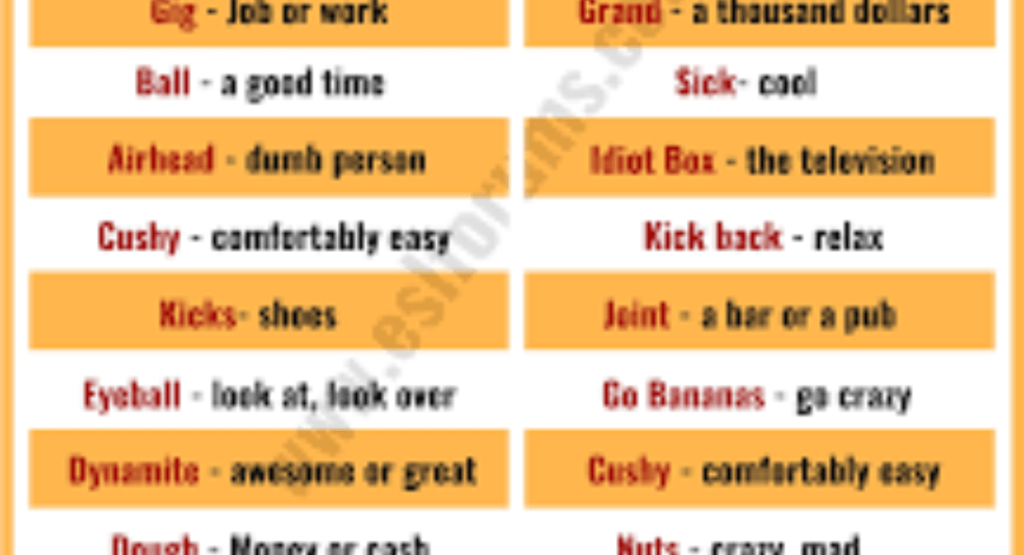
Modern and Trendy Slang
Language keeps changing, so modern slang and trendy slang appear often. Words like “lit,” “vibe,” and “flex” are common among younger people. Social media plays a big role in spreading these new slang expressions.
However, not all slang stays forever. Some words disappear quickly. So, use real-life English slang wisely. When used correctly, it can help you improve English speaking and stay updated with modern culture.
When and Where to Use Slang
Using slang in the right place matters a lot. It works well in informal situations like chatting with friends or texting. It also fits well in relaxed workplaces or casual meetings.
However, avoid slang in formal settings. For example, do not use it in interviews or academic writing. Understanding this balance improves your English vocabulary and helps you use real-life English slang naturally without sounding inappropriate.
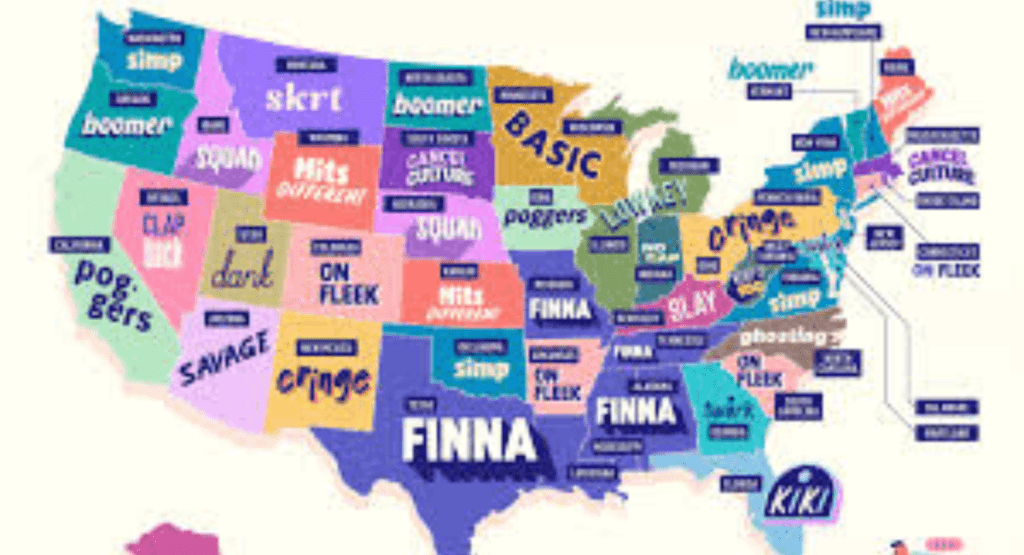
Conclusion
Learning real-life English slang is a smart step toward fluency. It helps you understand real speech and respond quickly. You begin to enjoy conversations instead of feeling confused.
Keep practicing daily. Watch shows, listen to podcasts, and talk to people. Over time, your speaking fluency and confidence will grow. Soon, using English slang will feel easy and natural.
FAQs
What is Gen Z’s favorite slang?
Popular Gen Z slang includes “rizz,” “slay,” “vibe,” “bet,” and “no cap.”
What are some English slangs?
Examples include “cool,” “chill,” “awesome,” “hang out,” and “no worries.”
What is 100 in slang terms?
“100” means keeping it real or being completely honest.
What is IRL in Gen Z slang?
IRL means “in real life,” used to talk about offline situations.
What does TFW mean in texting?
TFW means “that feeling when,” used to express emotions or reactions.
What does idrc mean in slang?
IDRC means “I don’t really care.”
Real life English slang you must know funny?
Funny slang includes “spill the tea,” “goofy,” “cringe,” and “dead” (meaning very funny).
English slang bad words?
These include insults or rude terms like “jerk,” “idiot,” or stronger curse words (use carefully).
Slang words list?
Cool, lit, chill, vibe, savage, flex, legit, weird, hype, basic.
100 slang words?
A full list would be long, but examples include vibe, lit, savage, ghost, flex, low-key, high-key, drip.
American slang phrases?
“What’s up,” “my bad,” “no way,” “you good,” “hit me up.”
English slang words?
Chill, awesome, dude, legit, weird, cool, hype, vibe.
American slang insults?
“Loser,” “jerk,” “dumb,” “weirdo,” “clown” (can be playful or rude).
American slang words?
Lit, vibe, flex, savage, bet, low-key, high-key, ghost.
