


Learning 100 common words in different languages is one of the fastest ways to start your journey in language learning. You don’t need long lessons or complex grammar at first. Instead, you focus on simple words that people use every day. These words help you in daily communication and improve your confidence when speaking with others.
As you explore new languages, you also build strong vocabulary building skills and notice useful patterns. This process supports better global communication and helps you connect with different cultures. Over time, these small steps create a strong base for real conversations and deeper understanding of languages.
Introduction to Common Words in Different Languages
Learning 100 common words in different languages gives you a strong start in language learning vocabulary and basics. You don’t need long lessons. You just need the right beginner language words. These words help you speak in real situations and improve your communication skills quickly.
When you focus on common words in different languages, you build a base for global communication. You start noticing language similarities and patterns. This boosts your vocabulary building and helps you connect with people from different cultures in simple ways.
Greetings in Different Languages
Common Greetings Across Multiple Languages
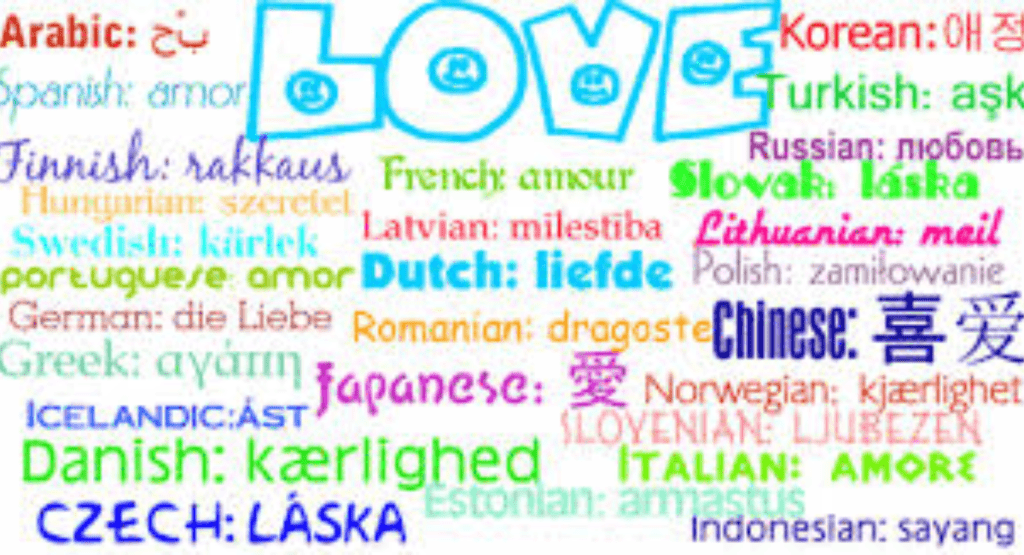
First impressions matter, so learning greetings in different languages is essential. These simple words shape your daily communication and show respect. For example, hello in English, hola in Spanish, bonjour in French, marhaba in Arabic, and salam in Urdu reflect strong cultural awareness.
You can see how these basic words in multiple languages create instant connections. They improve your real-life conversation skills. When you greet someone correctly, you build trust and confidence. This simple step strengthens your cultural connection in every interaction.
Numbers in Different Languages
Learning Numbers from 1–10 in Different Languages
Numbers are part of daily life. Learning numbers in different languages helps in shopping, travel, and time. These most used words in languages follow patterns. For example, uno, deux, and wahid show clear language structure across cultures.
Here is a simple table:
English Spanish French Arabic Urdu
One Uno Un Wahid Aik
Two Dos Deux Ithnain Do
This improves memory techniques and supports faster word usage in real situations.
Basic Expressions in Different Languages
Polite and Everyday Expressions You Must Know
Politeness shapes communication. Learning basic expressions words like please and thank you improves your tone. These words reflect strong cultural awareness and help in smooth daily communication across cultures.
These simple words in languages also improve your communication skills. For example, “por favor” or “merci” shows respect. These expressions build strong habits for polite speech. Over time, they become part of your natural language learning journey.
Everyday Nouns in Different Languages
Most Used Daily Life Words Across Languages
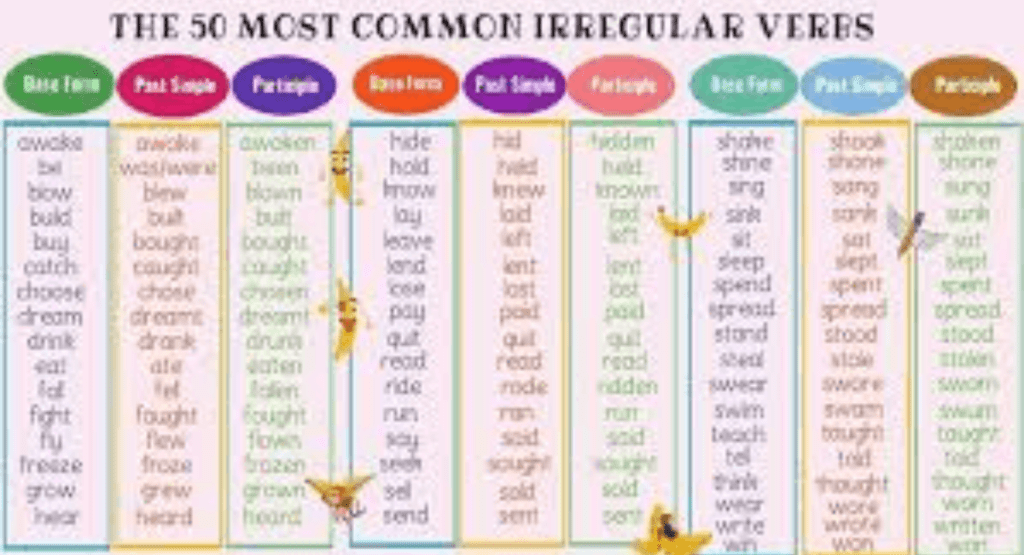
Daily life depends on simple words. Learning an everyday words list like water, food, and house helps in basic conversations. These words improve your sentence formation and make communication easier in real settings.
Here is a helpful table:
Word Spanish French Arabic Urdu
Water Agua Eau Maa Pani
Food Comida Nourriture Ta’am Khana
These examples support vocabulary building and improve your travel language skills.
Common Verbs in Different Languages
Action Words That Build Sentences
Verbs bring life to language. Learning common verbs in different languages helps you express actions clearly. Words like eat, go, and see are essential for strong sentence formation and effective speech.
These verbs improve your language patterns and overall word usage. When you combine verbs with nouns, you form complete ideas. This step builds confidence and improves your ability to handle real-life conversation smoothly.

Pronouns in Different Languages
Essential Pronouns for Daily Conversations
Pronouns are small but powerful. Learning pronouns in different languages helps you speak naturally. Words like I, you, and we are key to building sentences and understanding language structure.
These words support better communication skills and simplify conversations. When you use correct pronouns, your speech sounds clearer. This also helps in language learning because you can quickly form simple and useful sentences.
Pronunciation and Learning Methods
How to Master Pronunciation and Remember Words
Good speech depends on practice. Pronunciation practice helps you sound natural when using language translation words. Each language has unique sounds, so regular listening improves accuracy and confidence.
Using smart learning methods like repetition and audio helps memory. These memory techniques make learning faster. Over time, you develop better listening skills and improve your ability to use words in real conversations.
Historical Influence on Common Words
Why Many Words Sound Similar Across Languages
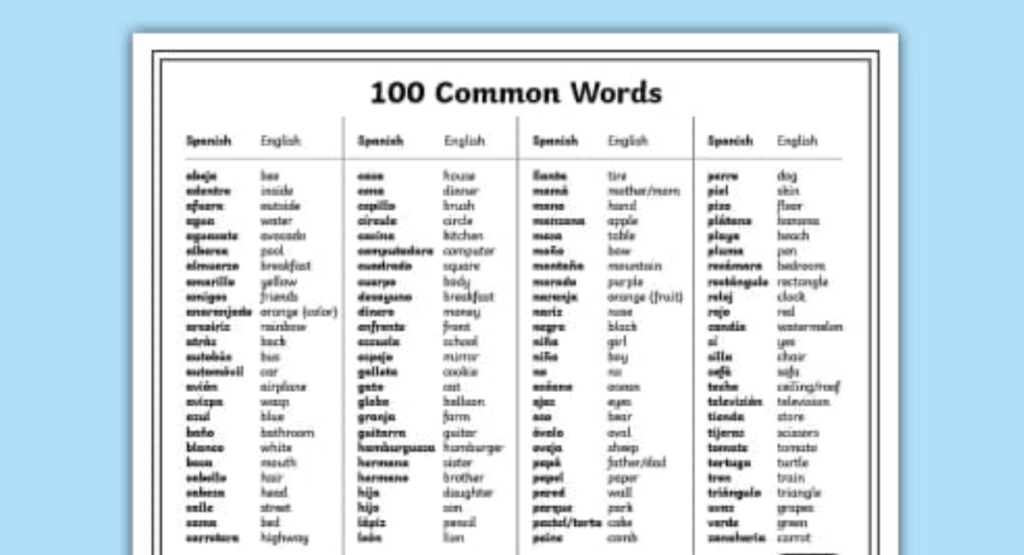
Languages share history. The historical influence of Latin shaped many modern languages. This explains why many words in English Spanish French Arabic Urdu sound alike or feel familiar.
These similarities support faster multilingual vocabulary learning. When you notice patterns, learning becomes easier. This shows how languages evolve while keeping shared roots across cultures and regions.
Importance of Learning Common Words
Real-Life Benefits of Knowing Common Words
Knowing 100 common words in different languages makes life easier. You can travel, talk, and understand people better. These common vocabulary list words improve your confidence and support better global communication.
These words also build strong foundations. They improve your communication skills and help you grow in both personal and professional life. Over time, they lead to fluency and deeper cultural understanding.
Conclusion
Final Thoughts on Learning 100 Common Words in Different Languages
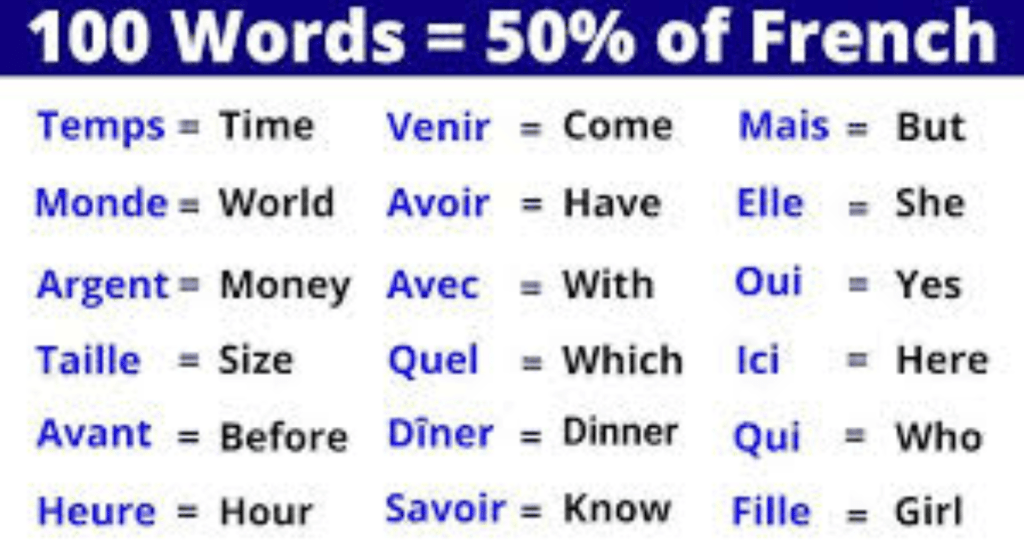
Learning 100 common words in different languages is a smart and simple step. It builds your base and improves your language learning journey. You don’t need to rush. Small steps create big progress.
As you continue, you will notice better word usage and stronger connections. These language vocabulary list words will help you speak with confidence. Keep practicing daily, and you will see real improvement in your communication skills.
FAQs
What are the 100 most common languages?
Top languages include English, Mandarin, Spanish, Hindi, Arabic, French, and others based on speakers worldwide.
What is A1, A2, B1, B2, C1, C2 in language?
These are CEFR levels from beginner (A1) to mastery (C2).
Is there really 7000 languages?
Yes, linguists estimate about 7,000 languages globally, according to Ethnologue.
What language only has 137 words?
Toki Pona has around 120–137 root words.
Which word has 645 meanings?
The word “set” in English is famous for having over 400+ meanings, often cited as the most.
Which language has 247 letters?
Khmer has one of the largest alphabets, often cited near 74 letters plus symbols, not 247 exactly.
100 common words in different languages pdf?
You can find PDFs via Google search or sites like Pinterest and educational blogs.
1000 most common words in any language?
Most languages have frequency lists; English top 1000 words cover about 85% of daily use.
First 100 words to learn in a new language?
Start with greetings, numbers, pronouns, verbs, and daily nouns.
100 universal words?
Words like mother, water, sun, and food appear in all languages but differ in form.
625 words to learn a language?
The “625-word method” focuses on core vocabulary for quick fluency.
Most common words in all languages?
Function words like “I,” “you,” “and,” “the,” and “is” are most frequent.
Function words list?
Includes pronouns, prepositions, articles, conjunctions, and auxiliary verbs.
Most common words to learn a language?
Focus on high-frequency words used in daily conversation and basic communication.
