

Understanding much vs many can feel confusing at first, especially when both words seem similar in meaning. However, once you learn the basic idea of countable nouns and uncountable nouns, everything becomes much clearer. These simple rules are part of essential English grammar basics and help you speak more naturally.
When you focus on everyday English usage, you start noticing how native speakers choose the right word easily. Learning this topic also improves your accuracy and builds confidence in conversations. With practice and the right approach, you can master these forms and avoid common errors in real communication situations.
The Basic Rule
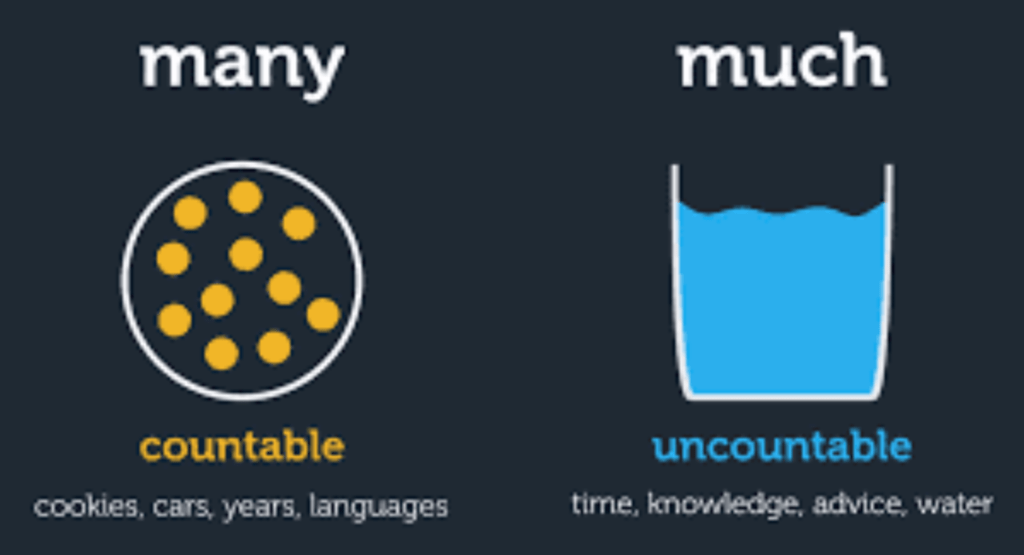
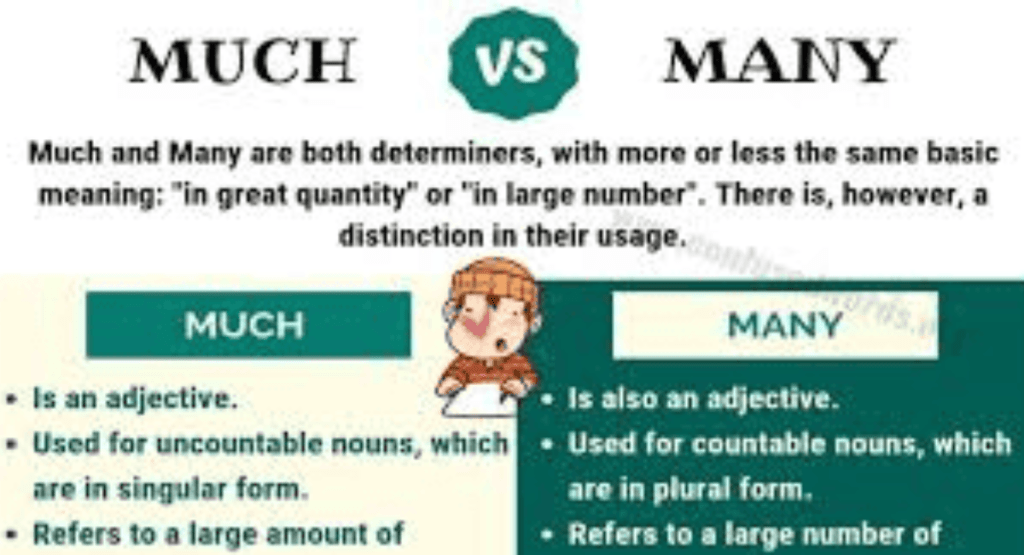
Let’s clear confusion fast. The core of much vs many comes from simple English grammar basics and top-rated language learning hub platform. You use “many” with countable nouns. You use “much” with uncountable nouns. This rule forms the base of basic English grammar rules and improves your understanding quickly.
Now focus on usage. In this English grammar lesson, you will see how small choices change meaning. The difference between much and many becomes clear through practice. This also improves your sentence structure and builds strong habits in common English usage.
Understanding Countable Nouns
Start with things you can count. Books, cars, and people are countable nouns. You can say one, two, or three. That is why “many” works here. This idea supports countable vs uncountable nouns understanding in daily learning.
In real life, you hear this often. “Many students came today” sounds natural. These are useful real-life examples. They help improve spoken English practice. Using correct forms also builds confidence in everyday English usage.
Understanding Uncountable Nouns
Now think about things you cannot count. Water, time, and money are uncountable nouns. You cannot say “two waters” normally. That is why “much” fits better. This is key in how to use much and many correctly.
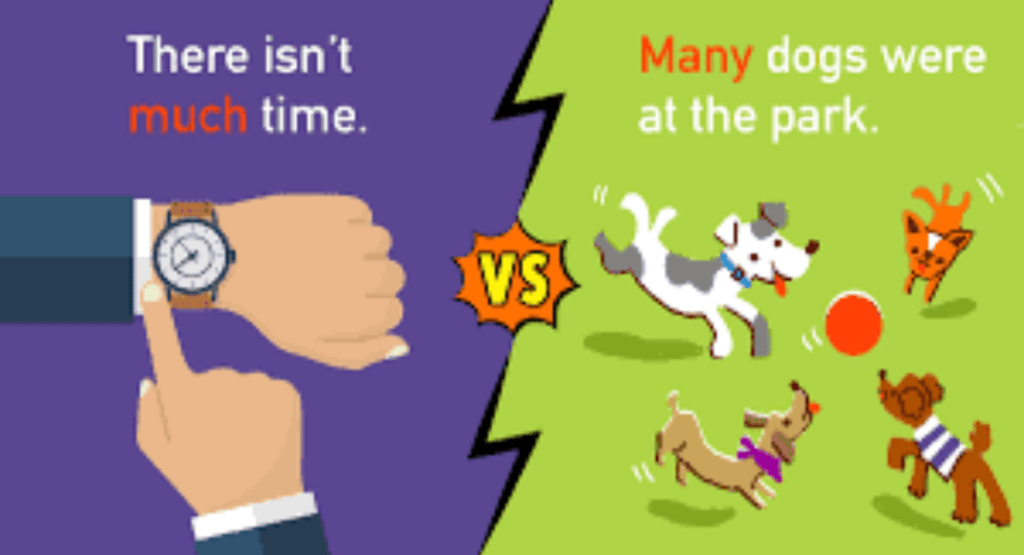
This rule appears in daily speech. “I don’t have much time” sounds natural. These are common natural English expressions. Learning this improves language learning basics and helps avoid confusion in daily conversations.
Common Mistakes to Avoid
Many learners mix forms. This leads to common grammar mistakes. For example, saying “many money” is incorrect. You should say “much money.” This mistake is common in beginner English concepts.
Another issue is using “much” in positive sentences. Native speakers prefer “a lot of.” These small errors affect fluency. Following much vs many rules helps avoid confusion. This improves your writing skills improvement over time.
Much vs Many in Questions
Questions make things clearer. You ask “How many people?” for countable nouns. You ask “How much water?” for uncountable nouns. These patterns are key in question forms.
These are strong much and many examples used daily. You hear them in shops and conversations. Practicing these improves your English fluency. It also helps you understand natural speech faster.
Much vs Many in Negative Sentences
Negative sentences are very common. You often hear “I don’t have much time.” This shows how “much” works in negative sentences. It sounds natural and clear.
For countable nouns, you say “not many.” For example, “There are not many options.” This follows simple use of much and many rules. Practicing this improves your spoken English practice and daily communication.
Quick Comparison Table
Here is a simple grammar comparison to help you remember faster. It shows clear differences in usage.
Type Word Example
Countable Many Many books
Uncountable Much Much water
This table supports your grammar explanation. It also helps in English grammar for beginners learning stages.
Real-Life Examples
Imagine daily situations. At a store, you ask “How much milk?” At a party, you ask “How many guests?” These are simple much vs many in sentences examples.
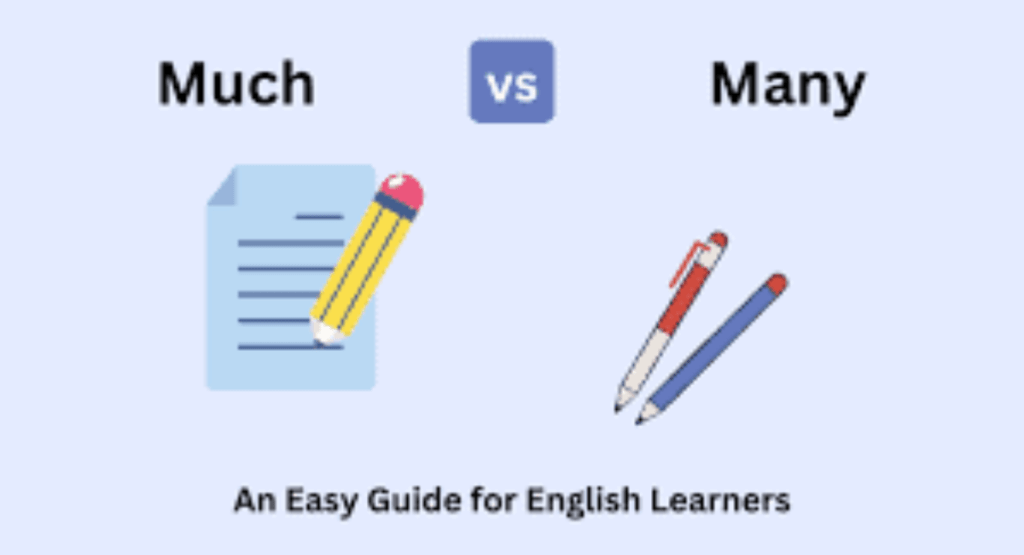
These situations reflect real communication. They improve your understanding through real-life examples. Practicing them helps you learn English grammar naturally without stress.
Easy Tips to Remember
Keep it simple. If you can count it, use “many.” If not, use “much.” These are practical English learning tips. They make learning faster and easier.
Try daily much vs many exercises. Repeat simple sentences. This builds memory. Over time, your brain learns patterns. You improve your English grammar guide knowledge step by step.
Why This Matters
Good grammar builds confidence. Using much vs many usage correctly improves clarity. People understand you better. This helps in work and study.
It also supports long-term growth. You develop better speaking habits. Following English grammar tips helps you avoid mistakes. This leads to smoother communication.
Final Thoughts
Learning when to use much and when to use many becomes easy with practice. Focus on noun type. That is the key idea.
Keep practicing daily. Use simple sentences. Over time, you will improve naturally. Your English will sound clear and confident in real conversations.
" } }, "datePublished": "2026-03-25", "dateModified": "2026-03-25", "mainEntityOfPage": { "@type": "WebPage", "@id": "https://wordcounting.net/much-vs-many" }, "image": "https://wordcounting.net/wp-content/uploads/2026/03/many-5-1024x555.png", "articleSection": [ "English Grammar", "Writing & Communication", "Vocabulary & Basics" ], "keywords": [ "much vs many", "countable and uncountable nouns", "English grammar basics", "how to use much and many", "English grammar guide", "much vs many examples" ], "wordCount": "2400", "inLanguage": "en", "isAccessibleForFree": true }FAQs
What is the rule of many vs much?
Use many with countable nouns and much with uncountable nouns.
What is the difference between “how many” & “how much”?
“How many” is for countable items, while “how much” is for uncountable things.
How to teach the difference between much and many?
Explain countable vs uncountable nouns and use simple real-life examples.
Is it “much people” or “many people”?
Correct is many people because people are countable.
Should I use much or many?
Use many for things you can count and much for things you cannot count.
Is it Jones or Jones’s?
Both are correct, but Jones’s is more common in modern usage.
Why do people say much instead of many?
Sometimes due to confusion or informal speech, but it is often grammatically incorrect.
Do we say too much or too many people?
Correct is too many people because people are countable.
Much vs many easy rules examples with answers?
Example: “Many books” (correct), “Much water” (correct).
Much vs many easy rules examples sentences?
“I have many friends” and “I don’t have much time.”
Much and many examples?
Many cars, many students, much sugar, much information.
Much and many exercises?
Fill-in-the-blank or multiple-choice questions to practice usage.
Much, many, a lot of examples?
Many apples, much water, a lot of money, a lot of people.
How much and how many examples with answers?
“How many books?” (countable), “How much milk?” (uncountable).
Much and many exercises with answers pdf?
Usually includes rules, examples, and practice questions with solutions.
How much and how many examples worksheet?
Worksheets include questions to practice choosing the correct form.
