Why Do Some Intersections Need Dedicated Turn Lanes? A Simple Guide for U.S. Drivers
Every day, drivers approach busy intersections where cars must slow down or stop to turn. Without a dedicated turn lane, a single turning vehicle can block the main lane and create sudden traffic congestion. This leads to longer traffic delays, frustrated drivers, and a higher risk of rear-end collisions. That is one key reason why intersections add turn lanes as part of modern road design.
A separate space for turning vehicles helps maintain smooth traffic flow while improving intersection safety. It also allows engineers to manage vehicle turning movements more effectively. When designed correctly, these lanes reduce stress, save time, and make everyday driving safer for everyone.
Why Intersections Add Turn Lanes
A busy intersection handles many vehicle turning movements every minute. Without a turning lane at intersections, vehicles waiting to turn must stop in the main lane. That action blocks through traffic and creates long vehicle queues. This is the main reason why intersections add turn lanes in modern road engineering. A dedicated turn lane gives turning vehicles a safe place to slow down without stopping others.
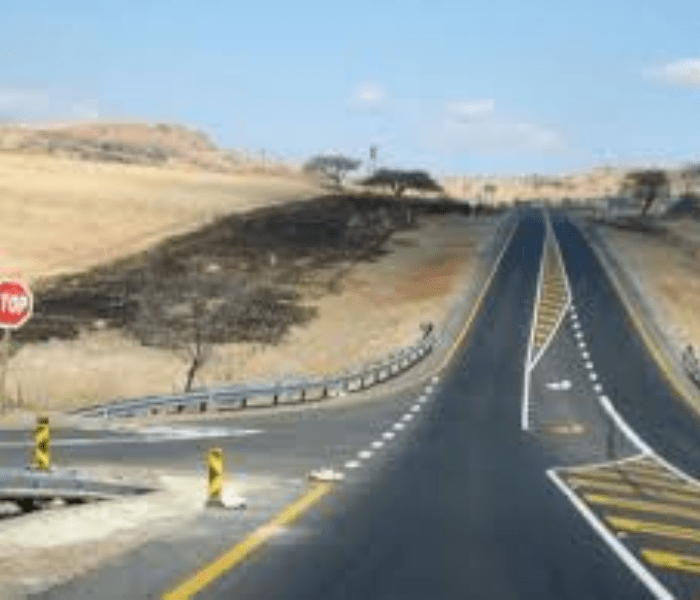
This design improves traffic flow and reduces rear-end collisions. Drivers behind a turning car often brake suddenly. That creates risk. A separate lane for turning provides turning traffic separation, which is a major part of highway safety and intersection safety improvements. It also supports better traffic signal timing, smoother signal phases, and overall roadway efficiency.
Condition Without Turn Lane With Turn Lane
Traffic flow Frequent stops Continuous movement
Crash risk Higher rear-end collisions Lower crash rates
Signal timing Less efficient Better signal phases
Driver stress High Lower
Dedicated Left Turn Lane Benefits
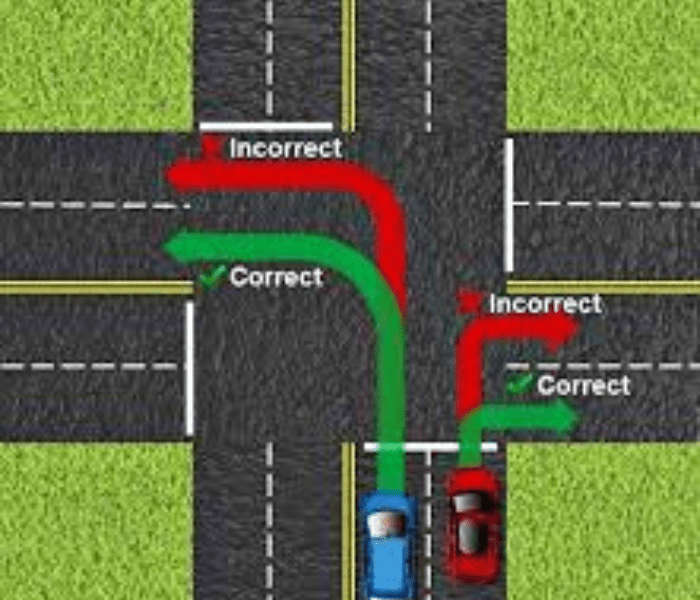
Left turns create the most conflict at intersections. Drivers must judge oncoming traffic gaps and wait for a safe moment. A left turn lane gives them space to wait calmly. This design is one of the biggest benefits of left turn lanes because it keeps vehicles waiting to turn out of the main lanes. That simple change reduces traffic congestion and supports reducing traffic delays across the intersection.
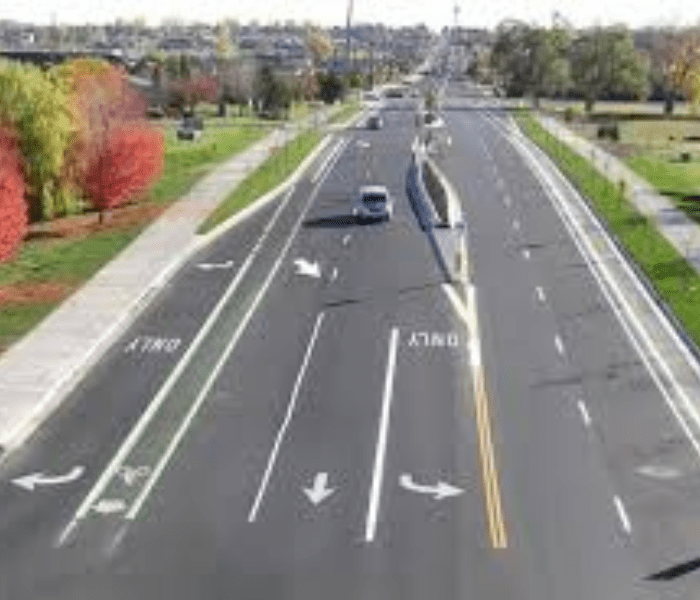
A left turn lane also works with a protected left turn signal. This special signal phase gives turning drivers a safe green arrow. That system reduces reducing rear-end crashes and improves intersection safety. Cities across the United States use this approach as part of larger traffic engineering solutions and roadway traffic planning to create better intersection traffic management and smoother traffic flow.
Turning Movement Lane Planning
Engineers do not guess when they design a turn lane installation. They study real traffic data. They count vehicle turning movements during busy hours. This process is called turning movement lane planning. It helps determine when a right turn lane or dedicated turn lane is needed. If many turning vehicles appear at one corner, engineers often add a turning lane at intersections to prevent long vehicle queues.
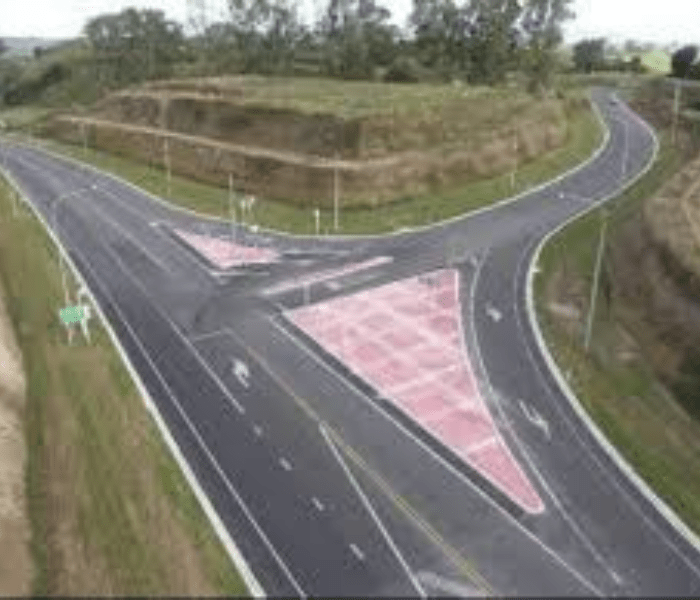
They also examine crash records and speeds. High-speed roads need extra protection because sudden stops cause rear-end collisions. A separate lane for turning improves road safety improvements and supports better traffic signal timing. This careful intersection traffic design increases improving road efficiency and creates safer streets across the country.
Planning Factor What Engineers Study Purpose
Traffic counts Number of turning cars Decide lane need
Crash history Types of collisions Improve safety
Road speed Posted speed limits Reduce rear-end risk
Signal timing Green arrow phases Improve traffic flow
In the end, the answer to why intersections add turn lanes is simple. They keep cars moving and drivers safe. A dedicated turn lane reduces traffic delays, prevents crashes, and improves roadway efficiency. With smart turning movement lane planning and better intersection traffic management, roads become safer and smoother for everyone.
Meta Description
Learn why intersections add dedicated turn lanes to reduce traffic delays, improve safety, and keep traffic flowing smoothly.
FAQs
What is a dedicated turning lane?
A dedicated turning lane is a separate lane at an intersection designed only for vehicles that are turning left or right.
Why are turning lanes established in the approach to an intersection?
They reduce traffic delays and crashes by moving turning vehicles out of the main traffic lane.
Do you need to use a turn signal in a dedicated turn lane?
Yes, you still must use your turn signal to clearly indicate your intended direction.
Why do some intersections have no turn on red?
This rule is used to protect pedestrians, cyclists, or heavy cross traffic where turning on red would be unsafe.
What is the best excuse to appeal a red light ticket?
There is no guaranteed excuse; successful appeals usually rely on proof of equipment error, unclear signs, or incorrect citation details.
Do you have 3 seconds after the light turns red?
No, the law requires you to stop before the light turns red unless you have already entered the intersection.
What is the 3/6 second rule?
It’s a safe-driving guideline suggesting at least a 3-second following distance, increased to 6 seconds in poor conditions.
What happens if I go through a red light just as it turns red?
If your vehicle enters the intersection after the light turns red, you can receive a ticket or camera citation.
When a blue light flashes every 8 seconds a red light flashes every 12 seconds?
They will flash together every 24 seconds, which is the least common multiple of 8 and 12.