How Do Engineers Measure Left Turns at Busy Intersections?
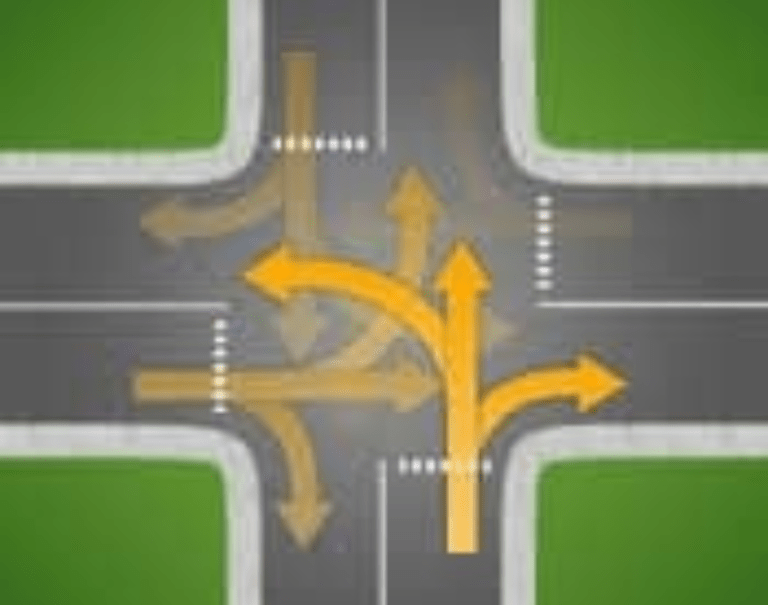
At crowded city crossroads, left turns often create delays, confusion, and safety risks. Engineers study these movements closely because they affect traffic flow, travel time, and overall road safety at busy intersections. In modern traffic engineering, professionals track turning vehicles to understand real-world traffic patterns.
They collect detailed counts, observe driver behavior, and analyze signal performance to see where problems form. This data shows whether a location needs new lanes, better signals, or safer pedestrian crossings. By understanding how left turns actually happen, engineers can design intersections that move vehicles smoothly, reduce congestion, and make daily travel safer for everyone on the road.
Why Left Turns Matter in Traffic Engineering
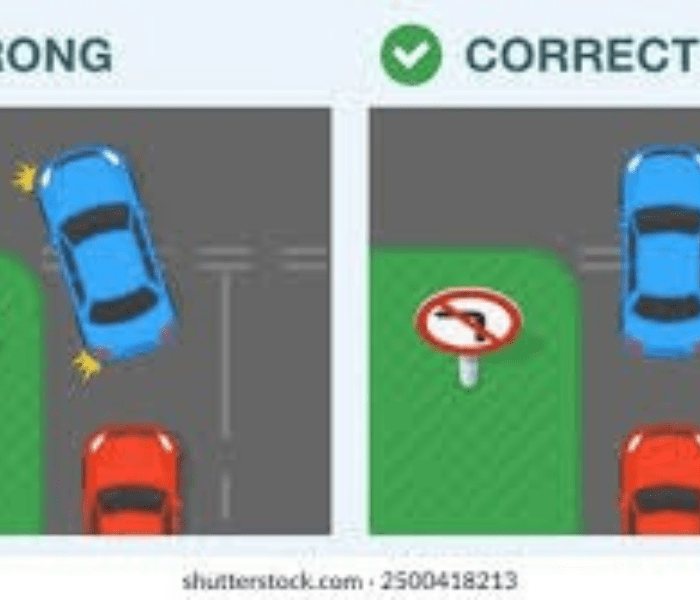
Left turns create conflicts with oncoming cars and people crossing the street. These conflicts affect traffic flow, increase travel time, and raise the risk of crashes. Engineers study how left turn traffic is measured because left turns often shape the entire intersection design at major busy intersections.
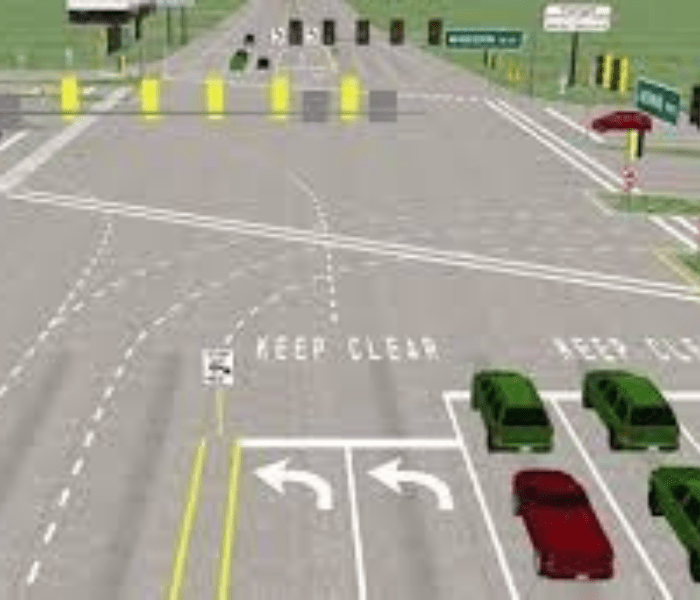
Accurate left turn movement counts guide decisions about protected left-turn signals, median barriers, and improved signal timing. These improvements help with crash reduction and smoother traffic patterns during peak hours. Reliable intersection turning analysis gives engineers the facts they need before making costly changes.
Common Left-Turn Problems at U.S. Intersections
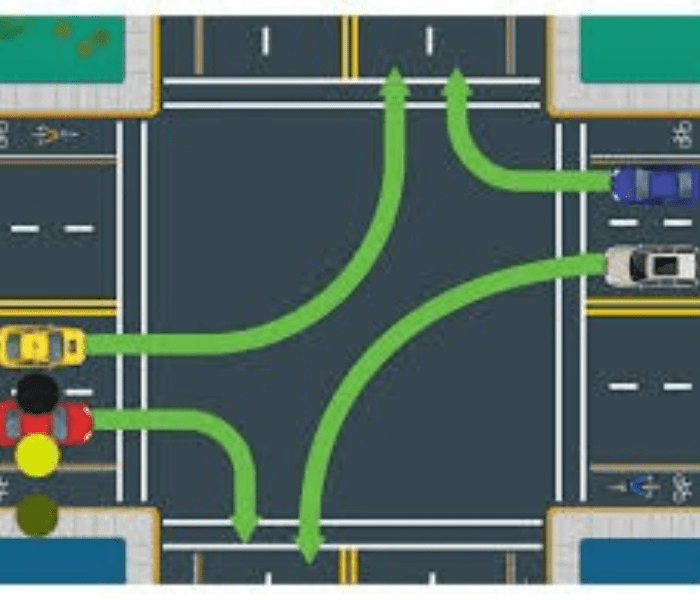
At many American crossroads, heavy traffic demand causes long left-turn queues. Drivers sometimes block lanes or take risky gaps. Engineers examine how left turn traffic is measured using turning movement diagrams and peak-hour counts. These tools show where dedicated left-turn lane space or a protected left-turn phase can improve safety.
Methods Used to Measure Left Turns
Engineers use several techniques to understand how left turn traffic is measured at busy intersections. These include manual turning movement counts, video-based counting, and automated sensors. Each method captures intersection traffic data that shows real vehicle movements during peak hours.
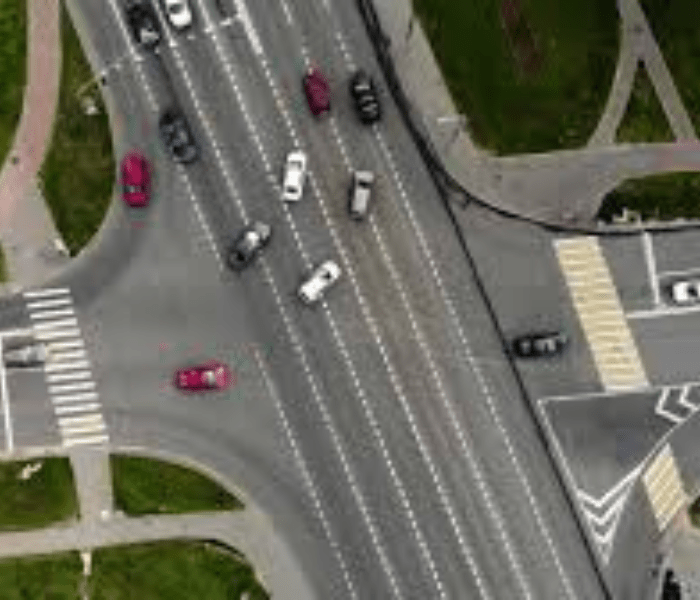
This intersection turning analysis helps identify patterns that cause traffic congestion. Engineers compare traffic flow during different times of day. The results guide decisions about signal timing, left-turn lanes, and lane additions to support future traffic demand.
Key Goals of Intersection Turning Analysis
The main goal is to understand traffic patterns and reduce crashes. Engineers rely on turning movement diagrams and peak-hour counts to see how vehicles behave. These insights help improve road safety and guide better intersection design choices.
Manual Turning Movement Counts
In manual turning movement counts, trained observers stand near the intersection. They record every vehicle movement by hand or tablet. This direct approach helps engineers understand how left turn traffic is measured during real peak hours.
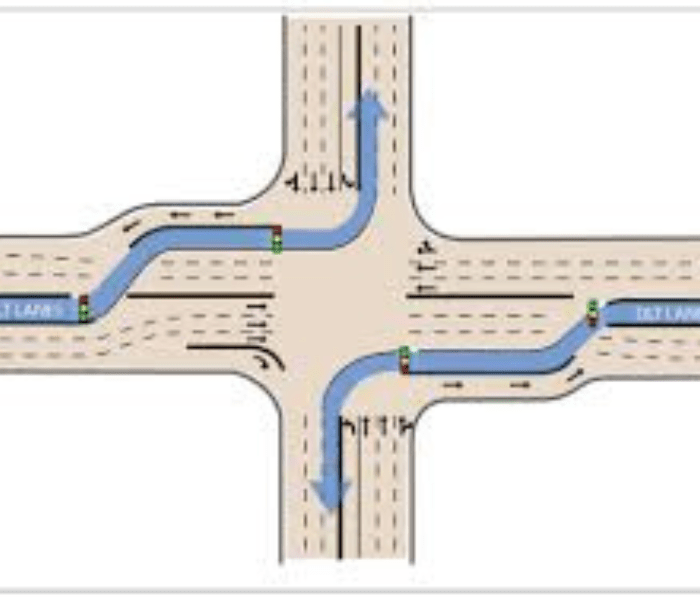
These left turn movement counts work well at small or medium busy intersections. Engineers often use them during short-term studies. The data feeds into intersection turning analysis and helps design protected left-turn signals or a new dedicated left-turn lane.
When Manual Counts Work Best
Manual counts are useful when engineers need quick answers. They often support temporary signal timing changes or short-term traffic engineering projects. The method provides accurate intersection traffic data without expensive equipment.
Video Recording and Analysis
Many agencies now use cameras for video-based counting. These systems record all vehicle movements at busy intersections. Engineers later review the footage using automated traffic software. This process improves accuracy and reduces field labor.
Video studies capture long-term traffic patterns and provide detailed intersection turning analysis. They help engineers see how traffic flow changes during different peak hours. This information supports decisions about protected left-turn phase timing and lane additions.
Advantages of Video-Based Intersection Analysis
Video methods allow engineers to replay footage and verify counts. They also produce clear turning movement diagrams. This helps planners improve road safety and reduce traffic congestion more effectively.
Automated Sensors and Detection Systems
Modern traffic engineering relies heavily on automated sensors. These include inductive loop detectors, radar sensors, and infrared detection systems. Each device works with vehicle detection systems to measure how left turn traffic is measured continuously.
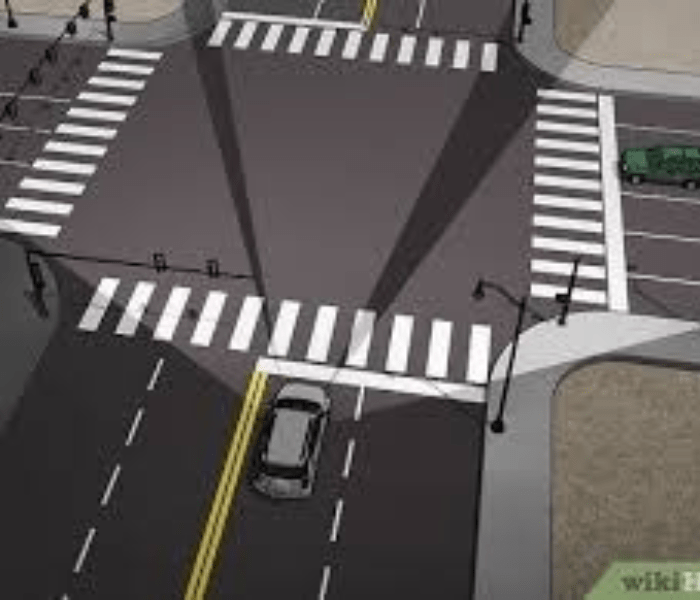
These tools feed real-time data into traffic management systems. Engineers use this intersection traffic data to adjust signal timing instantly. The system helps maintain steady traffic flow and supports crash reduction at major busy intersections.
Smart Signals and Continuous Monitoring
Smart signals use connected vehicle technology to track vehicle movements. This data supports intersection turning analysis and reduces delays. It also helps optimize protected left-turn signals during heavy traffic demand.
Data Collection Time Frames
Engineers don’t measure traffic at random times. They focus on peak-hour counts because these periods show the highest traffic demand. Studying how left turn traffic is measured during rush periods reveals real stress points.
Typical studies collect left turn movement counts during morning and evening peak hours. Engineers compare these results with midday data. This process improves intersection design, reduces traffic congestion, and supports better signal timing.
Typical U.S. Study Schedule
Most studies include morning and evening rush periods. Engineers then build turning movement diagrams to visualize traffic patterns. These diagrams help predict future vehicle movements and guide lane additions or median barriers.
How Engineers Use Left-Turn Data
After collecting intersection traffic data, engineers begin detailed intersection turning analysis. They review how left turn traffic is measured and compare it with safety records. This helps identify areas needing protected left-turn signals or new left-turn lanes.
Accurate left turn movement counts often lead to better signal timing and shorter travel time. In some cases, engineers recommend roundabout design or physical median barriers. These changes improve road safety and reduce crashes.
Real-World Example of Left-Turn Data Use
In a suburban corridor, engineers noticed long queues during peak hours. After studying turning movement diagrams, they added a dedicated left-turn lane and adjusted signals. This simple fix reduced traffic congestion and improved pedestrian safety.
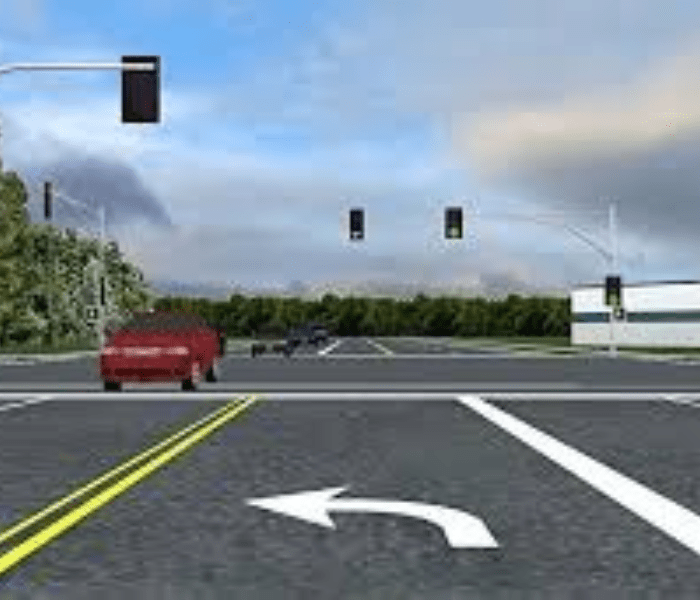
Before Improvement After Improvement
Long queues Shorter lines
High delay Faster travel
More crashes Fewer crashes
The Role of Technology and Future Trends
Technology now plays a major role in how left turn traffic is measured. Tools using artificial intelligence in traffic analysis process video feeds quickly. These systems detect vehicle movements and produce instant intersection turning analysis.
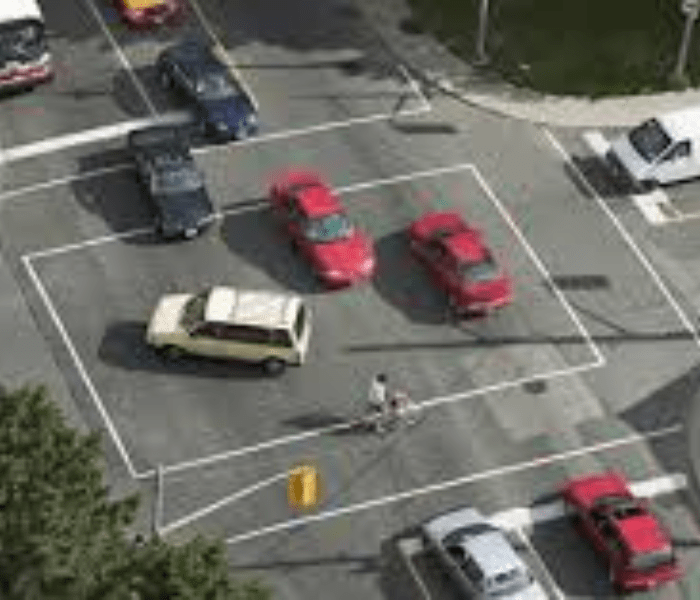
Future systems will rely more on connected vehicle technology and smart traffic management systems. These tools will share intersection traffic data in real time. The result will be smoother traffic flow, faster travel time, and better road safety.
The Future of Left-Turn Measurement
Engineers expect smarter signals and real-time vehicle detection systems. These tools will adjust protected left-turn phase timing automatically. The goal is simple: reduce traffic congestion and improve intersection design everywhere.
Conclusion
Left turns shape how busy intersections perform every day. Engineers rely on how left turn traffic is measured, left turn movement counts, and intersection turning analysis to guide better traffic engineering decisions.
Accurate data helps improve traffic flow, reduce crashes, and shorten travel time. As technology advances, smarter systems will make intersection design safer and more efficient for drivers, cyclists, and pedestrians across the United States.
Meta Description
Learn how engineers measure left turns at busy intersections using counts, sensors, and signal data to improve safety and traffic flow.
FAQs
How to make a left turn at a busy intersection?
Signal early, move into the correct lane, enter the intersection when safe, and turn left only after oncoming traffic clears.
When turning left at an intersection, you must often yield to oncoming traffic?
Yes, you must yield to oncoming vehicles and pedestrians before completing the turn.
What are some common mistakes when making left turns?
Turning too wide or too sharp, misjudging gaps, failing to yield, or not signaling in time.
When making a left turn at a controlled intersection?
Follow the traffic signal or sign, yield to oncoming traffic and pedestrians, then complete the turn when it’s safe.
What is the 3/6 second rule?
It’s a safe-following guideline: keep at least three seconds behind another car in city traffic and six seconds on highways or in poor conditions.
Do you always yield on left turns?
Yes, unless you have a protected green arrow, you must yield to oncoming traffic and pedestrians.
What is the easiest way to memorize DMV signs?
Group them by color and shape, then use flashcards or practice tests to reinforce recognition.
When approaching an intersection preparing for a left turn, what should you do?
Signal early, move into the left-turn lane, slow down, and watch for oncoming traffic and pedestrians.
What are common 3-point turn mistakes?
Not checking surroundings, turning the wheel too late or too early, and blocking traffic or curbs.