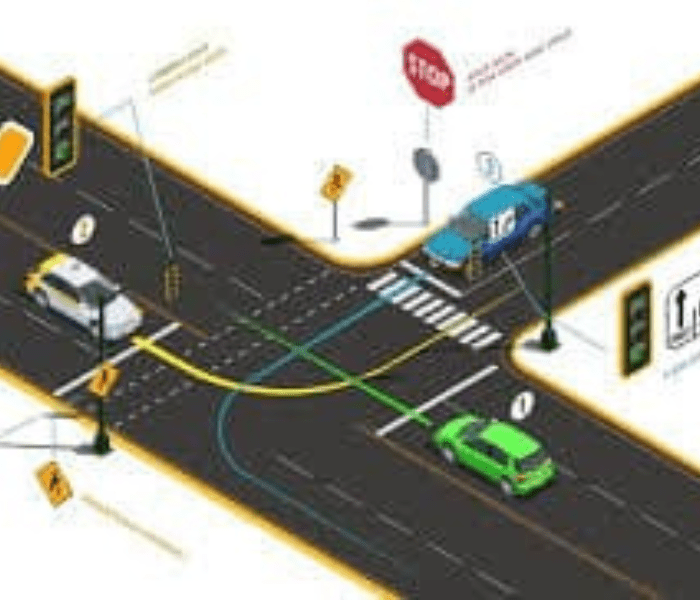
Traffic Signal Timing Using Turning Counts: How Traffic Signals Use Turning Movement Count Data
Traffic signals may seem simple, but they rely on powerful data to work smoothly. Cities across the USA use Turning Movement Count (TMC) data to understand how vehicles move through intersections. This information helps planners see where cars turn left, right, or go straight during busy hours.
With accurate counts, engineers improve intersection performance and design better signal phases for each direction. This process supports safer roads and steady traffic flow. Using traffic signal timing using turning counts, cities reduce delays, cut congestion, and create smarter daily commutes. It’s one of the most effective tools in modern traffic engineering today.
What Is Turning Movement Count Data?
Every busy intersection tells a story through Turning Movement Count (TMC) data. Engineers track how many cars turn left, turn right, or drive straight. These recorded vehicle movements reveal what drivers actually do, not what planners guess. This is the backbone of traffic signal timing using turning counts.
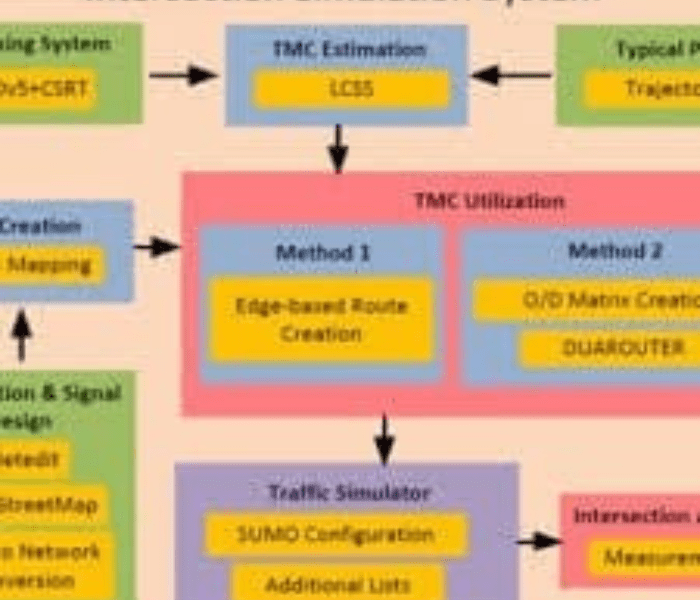
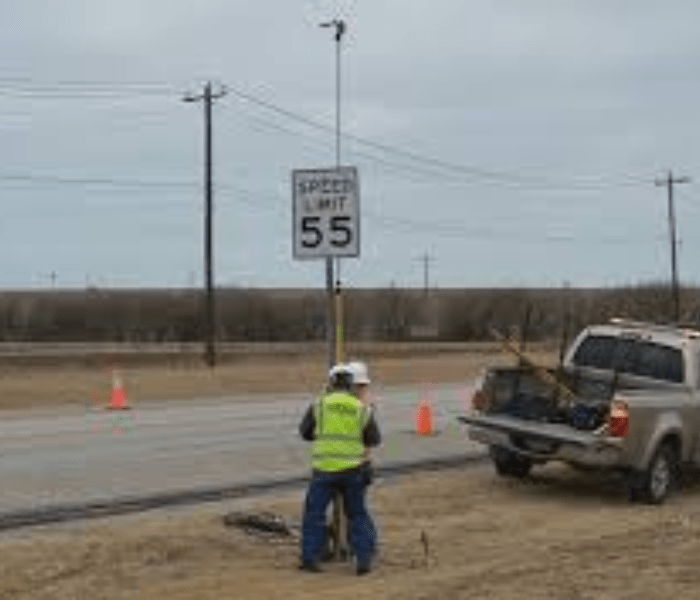
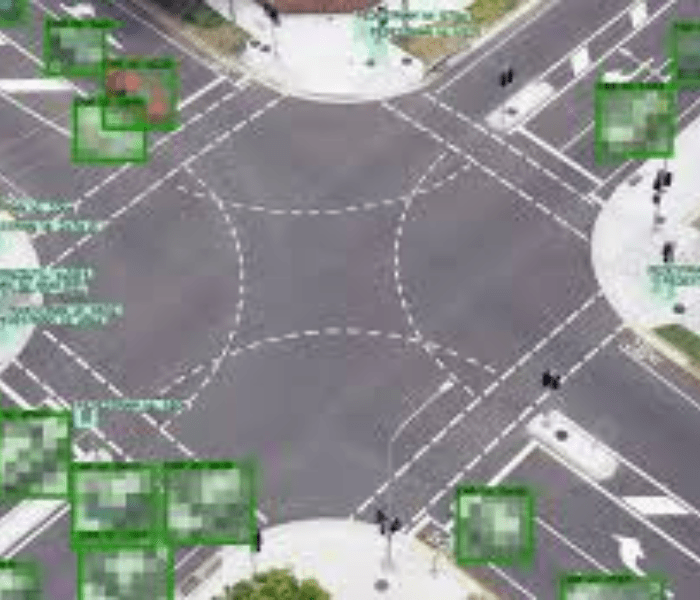
In modern traffic engineering, teams collect counts using cameras, sensors, or manual field surveys. The goal is simple. Understand turning behavior during peak periods. This improves intersection performance and ensures signal plans match real traffic needs.
Why Turning Counts Matter for Signal Timing
Turning counts help determine how long each light stays green. Without them, cities risk wasting valuable seconds. High left-turn demand often needs a longer protected left-turn phase, while lighter movements need less time. This is where signal phases become carefully balanced.
Engineers also adjust the cycle length and phase split based on counts. That leads to smoother flow. It supports traffic flow improvement and strong congestion reduction across major corridors. In short, traffic signal timing using turning counts keeps intersections from becoming bottlenecks.
How Cities Adjust Green Light Timing
Many people wonder how cities manage green light timing so efficiently. Transportation departments study turning counts during morning and evening peaks. They focus on rush hour traffic demand, because patterns shift hour by hour. These studies help officials fine-tune traffic signal timing using turning counts.
After data collection, planners test changes using traffic modeling software. These tools simulate real-world traffic conditions before updates go live. This reduces trial-and-error. It also helps with reducing delays and improving travel time for commuters.
Intersection Signal Optimization
True intersection management requires more than guessing. With turning movement data, cities achieve better signal coordination. This means multiple intersections along one road can “talk” through timing. Drivers experience fewer stops and smoother progression.
Below is a simple view of how optimization elements connect:
Signal Element What Turning Counts Improve
cycle length Prevents wasted green time
phase split Gives priority to heavy turns
signal coordination Supports corridor movement
This structured approach makes traffic signal timing using turning counts a key tool in efficient transportation systems.
Reducing Congestion and Improving Safety
Heavy congestion creates frustration. It also increases crash risks. When cities apply turning counts correctly, they lower pedestrian crossing delays and reduce dangerous conflicts at intersections. These are major safety benefits of signal timing.
For example, New York City used turning studies under Vision Zero programs. Engineers identified intersections where left turns caused frequent crashes. Updated timing plans improved flow and reduced incidents. This proves traffic signal timing using turning counts supports safer streets.
The Role of Technology and AI
Traffic control is no longer purely manual. Many cities now use smart traffic control systems driven by AI-based traffic systems. These tools allow monitoring traffic movements in real time. Signals adjust automatically through adaptive signal timing.
Modern intersections increasingly rely on machine learning in transportation. Systems analyze patterns instantly. They apply predictive traffic algorithms to anticipate surges before congestion builds. This is leading toward automated intersection control and truly smarter city transportation.
Future of Traffic Signal Timing
The future of traffic control will blend turning counts with connected vehicle data. Cars will share speed and location details directly with signals. This will make data-driven traffic planning stronger than ever.
Mid-sized American cities will benefit most. They can upgrade signals without massive infrastructure. With advancing tools, traffic signal timing using turning counts will remain essential for managing growth and modern mobility demands.
Conclusion
Traffic signals do more than flash colors. They operate through science, timing, and detailed turning studies. By using traffic signal timing using turning counts, cities improve flow, reduce crashes, and manage intersections smarter.
As AI grows and streets become more connected, turning movement data will stay at the heart of safe, efficient travel across the US.
Meta Description
Learn how turning movement count data helps cities optimize traffic signals, improve flow, reduce delays, and enhance safety.
FAQs
How traffic signals help us?
Traffic signals keep roads orderly by controlling vehicle movement and reducing accidents at intersections.
What is traffic signals algorithm?
A traffic signal algorithm is a set of rules that decides when lights change based on traffic flow and demand.
How traffic light control system?
Traffic light control systems use timers, sensors, and software to manage red, yellow, and green lights efficiently.
How traffic signal track?
Traffic signals track vehicles using cameras, road sensors, or radar to detect traffic volume and movement.
How do traffic signals help us?
They improve safety, reduce congestion, and guide drivers through intersections smoothly.
What is turning movement count data in traffic engineering?
It is data showing how many vehicles turn left, right, or go straight at an intersection.
How do turning counts help improve traffic signal timing?
Turning counts help engineers give more green time to the busiest movements, reducing delays.
Why are left-turn movements important for intersection signal design?
Left turns often create conflicts, so signals need special timing or protected phases to prevent crashes.
How do cities adjust green light timing during rush hour?
Cities study traffic demand patterns and update signal timing plans to handle peak-hour congestion.
What tools do engineers use for intersection signal optimization?
Engineers use software like Synchro, VISSIM, and traffic simulation models to optimize signals.
How often do traffic signals get retimed in the USA?
Most cities retime signals every 3–5 years or sooner if traffic patterns change.
Can turning movement counts reduce traffic congestion?
Yes, they help allocate green time correctly, improving flow and cutting backups.
How does signal timing improve pedestrian safety at intersections?
Proper timing provides safe crossing intervals and reduces conflicts with turning vehicles.
What is adaptive signal timing and how does it work?
Adaptive signal timing adjusts lights in real time using sensors to respond to changing traffic conditions.
How is AI being used in modern traffic signal control systems?
AI analyzes traffic patterns instantly and helps signals adjust automatically for smoother travel and fewer delays.