Active Count: Understanding, Applications, and Best Practices
he concept of active count is essential for tracking real-time performance across industries. It measures the number of items, users, or processes currently engaged or operational, helping organizations make informed decisions.
Monitoring the active count of users in software or apps allows teams to optimize system capacity and prevent downtime. In business, tracking the active count of products supports inventory tracking and improves supply chain management.
Understanding user activity through active count also helps identify trends, allocate resources efficiently, and enhance overall efficiency. By leveraging this metric, companies can boost engagement, streamline operations, and plan strategically for future growth.
What Is Active Count?
Active count represents the total number of entities currently active in a system. This could mean users on a website, processes running on a server, or products available in inventory. Understanding active count significance is crucial because it shows real-time engagement and operational status. Businesses rely on this metric to gauge efficiency, monitor performance, and identify resource needs.

Tracking active entities in real time allows organizations to detect issues before they escalate. For example, IT teams can prevent server overload by monitoring the process count, while subscription services measure subscription metrics to understand retention. By keeping an eye on active count of users, managers gain insight into both short-term activity and long-term trends.
Active Count in Software and IT Systems
In software environments, active count often refers to the number of concurrent sessions, database queries, or processes running. Monitoring the active count of users helps maintain server stability and optimize system performance. Tools like dashboards and analytics platforms provide real-time monitoring to track user load and prevent downtime.
For developers, analyzing database transactions alongside active count ensures smooth operation. Understanding session tracking patterns enables IT teams to allocate resources effectively, avoid crashes, and improve system capacity. Historical trend analysis of active count also helps anticipate peak periods, making infrastructure planning more efficient.
Active Count in Business and Finance
Businesses monitor active count of users or accounts to understand engagement. Subscription services use it to track active subscribers and measure customer retention. A high active count reflects good engagement, while a low number may signal churn or dissatisfaction.

Financial institutions also track the active count of accounts for revenue forecasting. Engagement metrics combined with active count inform marketing strategies and help optimize campaigns. Measuring active count enables managers to make informed decisions about promotions, upselling, and customer support allocation.
Active Count in Inventory Management
Inventory systems rely on active count of products to track available stock. This differs from total inventory because some items may be reserved, damaged, or inactive. Accurate inventory tracking ensures supply meets demand and reduces the risk of stockouts.
Warehouse managers use active count to optimize supply chain management. By analyzing trends, they can predict reorder points and manage resources efficiently. Maintaining real-time active count also improves fulfillment speed and customer satisfaction.
Active Count in Marketing and Social Media
Marketing teams track active count of users interacting with campaigns or posts. Monitoring expressing engagement through activity helps optimize content timing and strategy. High active count indicates strong engagement, while low numbers may signal adjustments are needed.
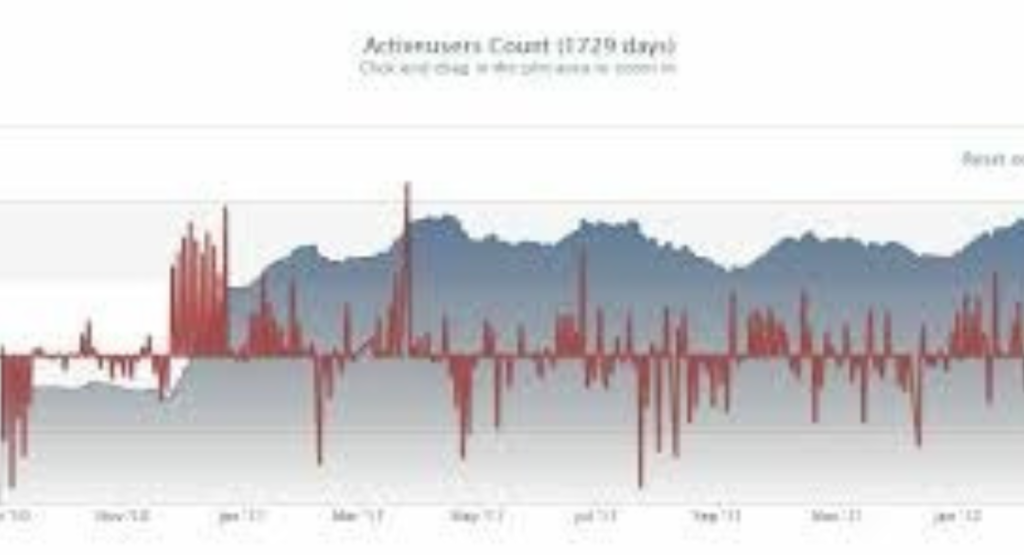
Marketing analytics also benefit from active count insights. By analyzing historical data, marketers can identify peak engagement periods, understand audience behavior, and plan campaigns more effectively. This supports decision-making and maximizes return on investment.
Active Count in Education and E-Learning
E-learning platforms use active count of users to track student participation. Monitoring e-learning participation helps instructors provide timely support and improve retention. Students who engage consistently are easier to guide and assess.
Tracking active count also helps educators adjust course content and pace. Monitoring user participation ensures learners stay on track and allows personalized interventions. Real-time insights help create better learning outcomes and improve overall educational experience.
Best Practices for Tracking Active Count
Accurate tracking of active count requires defining what “active” means in context. Automated dashboards, real-time alerts, and data visualization tools improve clarity. Combining active count with performance indicators provides a holistic view of operations.

Organizations should analyze historical active count trends to anticipate workload and plan resources efficiently. Creating an active count report supports strategic decisions, improves operational efficiency, and ensures systems and teams are prepared for peak periods.
Conclusion: Why Active Count Matters
Active count is a critical metric across industries, from IT to business, inventory, marketing, and education. Monitoring active count of users and products ensures efficient operations, better resource allocation, and improved engagement. Organizations that leverage this metric can optimize performance, predict trends, and make data-driven decisions, ensuring long-term success and operational resilience.
Meta Description
Learn what active count is, its applications in business, IT, and education, and best practices for tracking users and products efficiently.
FAQs
What is the active user count?
It is the number of users currently engaged or logged into a system, app, or platform.
What is the active customer count?
The total number of customers who have made recent purchases or interactions within a defined period.
What are active accounts?
Accounts that are currently in use, with recent activity such as logins, transactions, or updates.
What counts as an active user?
A user who performs meaningful actions like logging in, posting, purchasing, or interacting with the platform.
What is the meaning of active?
Engaged, operational, or participating; currently in use or performing actions.