
What States Don’t Count Out-Of-State DUIs? (2026) – Complete Guide
Navigating out-of-state DUI laws can feel like walking through a legal maze. Most states share DUI conviction records, meaning a DUI committed in one state may follow you to another. However, a few states don’t automatically count out-of-state DUIs, creating exceptions in interstate DUI laws.
Understanding which states allow this is crucial for drivers facing penalties, license suspensions, or repeat DUI offenses. Knowledge of these rules can also help you plan ahead, manage driver safety information, and avoid unexpected consequences.
Whether you’ve recently moved or travel frequently, knowing states that don’t count out-of-state DUI is essential for protecting your driving privileges.
Understanding Interstate DUI Laws
Interstate DUI laws determine how states share DUI conviction records and enforce penalties for drivers who commit offenses outside their home state. Most states participate in the Interstate Driver’s License Compact (DLC), meaning your DUI can follow you across state lines. Even if you move, your previous DUI may count toward future offenses, impacting repeat DUI offenses and potential driver’s license suspension.
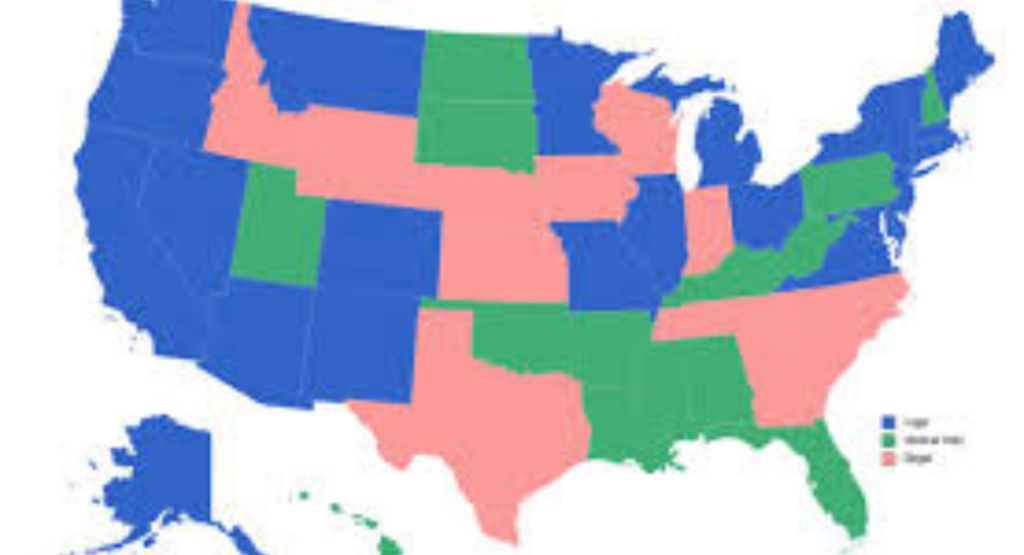
States share driver safety information including serious traffic violations like reckless driving, drunk driving, and vehicular manslaughter. The compact ensures that moving or traveling does not allow drivers to evade DUI penalties, maintaining safety standards nationally. This makes understanding out-of-state DUI enforcement essential for every driver.
If You Get a DUI in Another State, Are You Prosecuted in Your Home State?
If you get a DUI outside your home state, the original state usually enforces the penalties locally. Your home state may count the offense for repeat DUI as a felony or misdemeanor depending on your history. Knowing criminal offense elements in both states is critical to predict consequences.
Courts often coordinate through the National Driver Register (NDR) and Department of Motor Vehicles (DMV) databases. These systems track license revocation and suspensions, meaning your home state can prevent you from obtaining a new license until all penalties are resolved, ensuring driver safety information remains consistent nationwide.
Which States Don’t Count Out-of-State DUIs?
Most states share DUI information under the DLC, but five states do not automatically count out-of-state DUIs. These states include Georgia, Massachusetts, Michigan, Tennessee, and Wisconsin. However, specific criminal offense elements may still be considered if they match local DUI laws.

The Non-Resident Violator Compact (NRVC) also affects traffic violations. Some states like Alaska, California, Michigan, Montana, Oregon, and Wisconsin do not participate. This means moving violations in those states may not be reported back home, allowing limited flexibility. Understanding which states don’t count out-of-state DUIs helps plan your legal and driving strategy carefully.
Can You Avoid DUI Consequences by Moving or Traveling?
Many drivers wonder can you avoid DUI consequences by moving to another state. Unfortunately, most states honor out-of-state DUI penalties, and relocating does not erase prior offenses. Your license may be suspended or revoked until the original penalties are served.
Some states have different rules and DUI lookback period by state, which defines how far back a DUI can be counted for repeat offenses. Knowing the local regulations is crucial for anyone considering relocation after a DUI, as penalties and probation requirements can vary significantly.
Penalties for Multiple Out-of-State DUIs
The consequences of repeat DUI offenses often escalate with each violation. States consider DUI lookback period by state to determine whether a prior out-of-state DUI counts. For example, Illinois counts all prior DUIs for life, while Florida only counts offenses in the past five years.
Penalties range from fines and DUI probation to license suspension and potential felony DUI charges. Some states treat a second DUI as a felony, while others may only assign a misdemeanor. Understanding what are the penalties for multiple out-of-state DUIs is critical for risk management and compliance.
Reporting and Discovery of Out-of-State DUIs
All states use the National Driver Register (NDR) to track drivers with revoked or suspended licenses. When a driver applies for a new license, the Department of Motor Vehicles (DMV) checks the NDR to uncover prior offenses. This ensures that license denial or revocation can occur if violations exist.

How do other states find out about a license suspension or DUI charge is also tied to inter-state communication. Through DLC and NRVC databases, states share information on traffic violations including moving violations, ensuring driver safety information is always available across state lines.
Insurance Implications of Out-of-State DUIs
Insurance companies often request disclosure of out-of-state DUI convictions. Failing to inform your provider can lead to insurance disclosure issues or claim denial. Companies can verify your record through state databases, affecting premiums and coverage.
It’s important to understand should I tell my insurance company about an out-of-state DUI. Transparency is usually safer, as hidden offenses may cause complications during claims, particularly if an accident occurs while your license is suspended or revoked.
Role of DUI Lawyers in Out-of-State Cases
A skilled attorney can guide you through contacting a DUI defense attorney after a DUI arrest and help with negotiating reduced DUI charges or challenging a license suspension. Lawyers understand repeat DUI as a felony or misdemeanor distinctions and can help minimize penalties.
How can a DUI lawyer help with out-of-state charges? They can represent you in court without requiring travel, negotiate probation terms, and clarify the impact of your DUI lookback period by state. Legal expertise ensures compliance and protects your driving privileges.
Key Legal Tools: Non-Resident Violator Compact (NRVC)
The Non-Resident Violator Compact (NRVC) allows states to share information about minor traffic violations. Unlike DLC, it focuses on moving violations rather than serious offenses like DUI. States not in NRVC may not report minor offenses, offering some flexibility for drivers moving temporarily.
Understanding NRVC helps drivers avoid driver’s license suspension complications. Compliance ensures your driving record remains intact, reducing future penalties, and maintaining driver safety information across states.
What Happens When You Get a DUI in Another State?
If you get an out-of-state DUI, you face arrest, court appearances, and potential fines or DUI probation in the state where it occurred. The offense may also impact your home state’s driving privileges through license revocation or license denial.

What happens when you get a DUI in another state can be complicated. You may need to coordinate with attorneys, attend court remotely, and resolve all penalties before applying for a new license. Ignoring it can lead to warrants or further legal action.
Table: States and Out-of-State DUI Considerations
Category Participating States Non-Participating States Notes
DLC (Interstate Driver’s License Compact) Most states Georgia, Massachusetts, Michigan, Tennessee, Wisconsin Shared DUI records
NRVC (Non-Resident Violator Compact) Most states Alaska, California, Michigan, Montana, Oregon, Wisconsin Shared minor traffic violations only
DUI Lookback Period Varies Varies Determines repeat DUI counting for penalties
Meta Description
Learn which states don’t count out-of-state DUIs, how interstate DUI laws work, and what it means for your license and penalties.
FAQs
What state is most lenient with DUIs?
States like New Mexico and South Dakota are often considered more lenient due to lower fines, shorter license suspensions, and lighter penalties for first-time offenses.
What states aren’t in the DLC?
Georgia, Massachusetts, Michigan, Tennessee, and Wisconsin are not part of the Driver’s License Compact (DLC).
Does Georgia report DUI to other states?
Georgia is not in the DLC, so it generally does not automatically share DUI convictions with other states.
Is drunk driving illegal in all 50 states?
Yes, drunk driving is illegal in all 50 states, though penalties and enforcement vary by state.